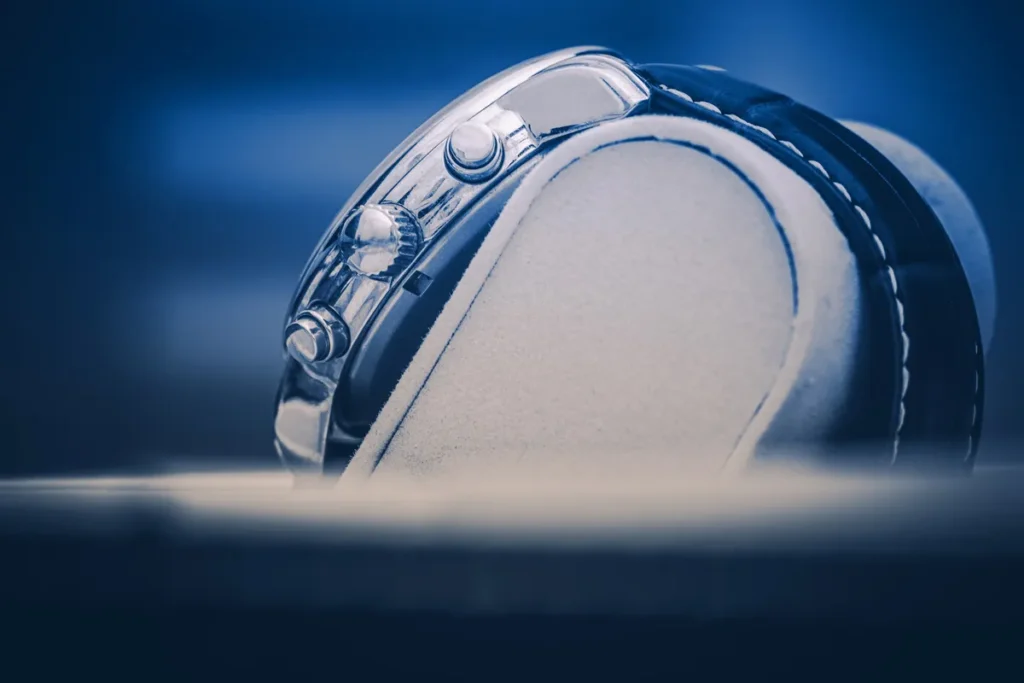
If you’re thinking about how to sell Audemars Piguet in NYC, you’re already in a stronger position than most sellers, simply because New York is one of the most active luxury watch markets in the world. But being in the right city doesn’t automatically mean you’ll walk away with the best offer. There are real differences between sellers who get top dollar and those who leave money on the table, and most of those differences come down to preparation and knowing who you’re dealing with.
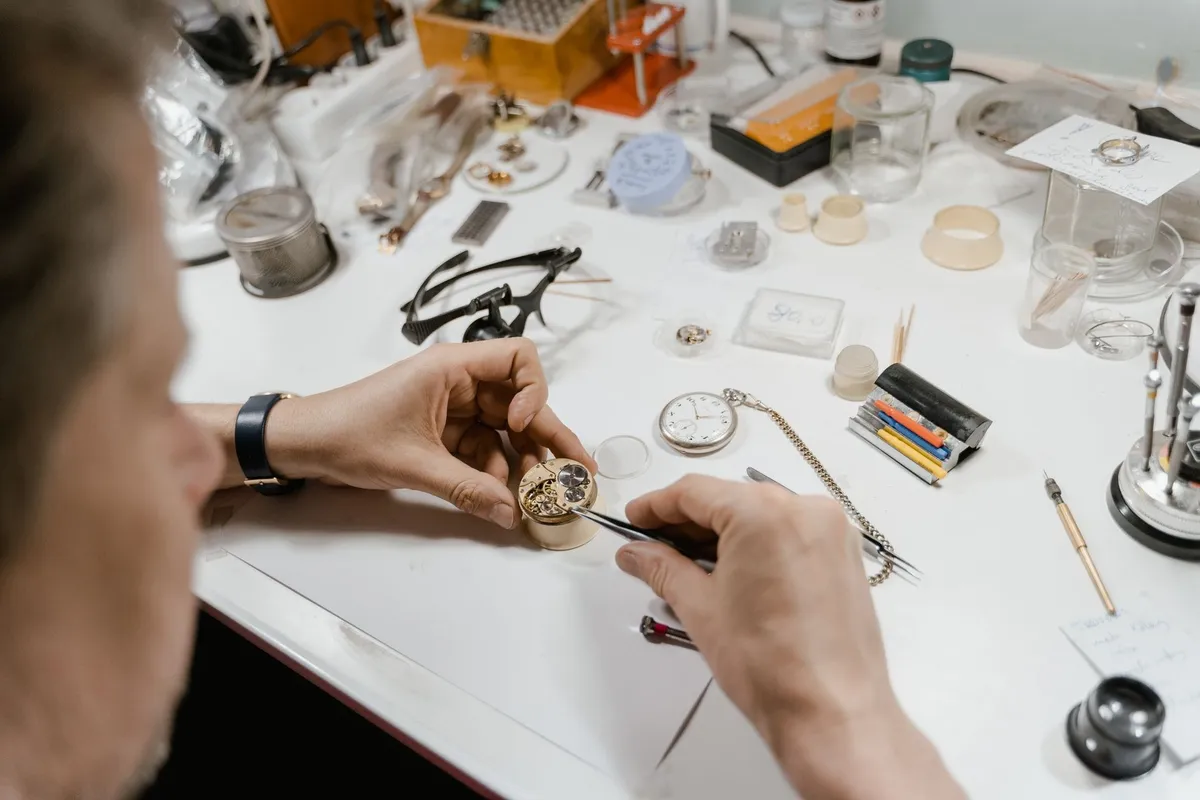
Why Your AP Is Worth More Than You Might Think
Audemars Piguet holds a rare position in the secondary market. Unlike many luxury brands that depreciate the moment they leave the boutique, certain AP references, especially the Royal Oak and Royal Oak Offshore, have consistently held or grown in value over time. The Royal Oak, designed by Gerald Genta in 1972, didn’t just survive the quartz crisis; it became a cultural touchstone. Collectors know this. Buyers know this. And that reputation directly affects what you’ll be offered when you bring one to market.
What many sellers don’t realize is that even older, less hyped references carry meaningful value. A well-maintained Millenary or a vintage Jumbo Royal Oak from the late 1970s can command serious attention from the right buyer. The point is: don’t assume your watch is worth less than the current hype models just because it isn’t a stainless steel Royal Oak in mint condition.
Condition still matters enormously, of course. Polished cases, replaced bezels, or missing original parts can noticeably reduce what a buyer is willing to pay. If you want a deeper look at how physical condition shapes your final offer, this breakdown of how condition affects value in the NYC market is worth reading before your appointment.
The Paperwork Problem Nobody Warns You About
Here’s something that catches sellers off guard more often than it should: documentation matters more with Audemars Piguet than with almost any other brand. AP watches have historically been harder to authenticate without the original papers, and buyers, especially serious ones, will factor that into their offer.
Original box and papers can add anywhere from 15 to 30 percent to your final sale price, depending on the reference and year. Service records from an authorized dealer carry weight too, particularly for older pieces where movement condition is harder to assess visually. If you’ve had your watch serviced at an AP boutique or authorized service center, bring that documentation. It signals to the buyer that the watch has been properly maintained and that you’re a serious, informed seller.
Missing papers isn’t a dealbreaker, plenty of AP watches trade hands without them every day. But going in without them means you should expect a lower opening offer, and you should be prepared to negotiate from a position of knowledge rather than assumption.

Choosing Where to Sell Matters More Than the Watch Itself
This is the part most sellers underestimate. The difference between selling to a knowledgeable local buyer versus an online platform or a pawn shop isn’t marginal, it can be thousands of dollars on a single transaction. Online consignment platforms take significant commissions, sometimes 15 to 25 percent of the final sale price, and payment can take weeks or months. Auction houses add buyer’s premiums that can suppress final bids, and the timeline is rarely predictable.
Selling directly to an established local buyer in NYC gives you something those channels can’t: a real conversation, an immediate offer, and no waiting around. NYC Watch Buyers has been working with sellers across Manhattan and the surrounding boroughs for years, and the feedback from people who’ve gone through the process reflects something consistent, sellers appreciate walking out the same day with a fair, transparent offer rather than waiting on an algorithm or an auction result.
Before you commit to any channel, it’s worth reading through the most common mistakes sellers make in NYCparticularly around timing and choosing the wrong buyer for the type of watch you have.
Getting Your Watch Ready Without Overdoing It
There’s a temptation, especially with a high-end piece, to get it polished or serviced before selling. Resist that instinct. A professional polish on an AP case can actually reduce its value to a collector who prizes original brushed and satin finishing. Buyers who know what they’re looking at will immediately spot a polished case and adjust their offer accordingly.
What you should do is clean the watch gently with a soft cloth, gather every piece of documentation you own, locate the original bracelet if you’ve swapped it for a strap, and make sure you know the reference number and approximate service history. These small steps take almost no time and can meaningfully improve your negotiating position.
If you want a broader checklist before you walk into any buyer’s office, this pre-sale checklist for watch sellers covers the bases without overcomplicating things.
The bottom line is straightforward: an Audemars Piguet is not a commodity. It’s a precision-made, historically significant piece with a real collector market behind it. Treat the sale with the same seriousness the watch deserves, and you’ll walk away with an offer that reflects its true worth.
Frequently Asked Questions
How much does having the original box and papers actually affect what I get offered for my AP in NYC?
According to buyers who work with these watches regularly, original box and papers can add anywhere from 15 to 30 percent to your final sale price depending on the reference and the year it was made. Service records from an authorized AP dealer or boutique carry real weight too, especially on older pieces where a buyer can’t easily assess movement condition just by looking at it. Missing paperwork isn’t an automatic dealbreaker, but you should go in expecting a lower opening offer and be ready to negotiate from a position of knowledge.
I have an older Millenary, not a Royal Oak, is it still worth bringing in to a local buyer?
Yes, and the article makes this point directly: don’t assume a watch is worth less just because it isn’t a stainless steel Royal Oak in mint condition. A well-maintained Millenary or a vintage Jumbo Royal Oak from the late 1970s can get serious attention from the right buyer. The key is finding a buyer who actually knows these references rather than one who only tracks the current hype models.
Should I get my AP polished or serviced before bringing it in to sell?
No, the article is direct on this: resist that instinct. A professional polish on an AP case can actually reduce its value because collectors prize the original brushed and satin finishing, and an experienced buyer will spot a polished case immediately and adjust their offer down. What you should do instead is wipe it gently with a soft cloth, locate the original bracelet if you’ve been wearing it on a strap, and pull together any documentation you have.
Why would selling locally in NYC get me more money than using an online consignment platform?
Online consignment platforms take commissions of 15 to 25 percent of the final sale price, and you may wait weeks or months before you see any payment. Auction houses add buyer’s premiums that can suppress what bidders are willing to pay, and the timeline is unpredictable. Selling directly to an established local buyer means you get a real conversation, a same-day offer, and no commission eating into what you walk away with.
What’s the single most important thing I can do before walking into a buyer’s office to sell my AP?
Gather every piece of documentation you own, original papers, box, and any service records from an authorized dealer, because with Audemars Piguet specifically, documentation matters more than with almost any other brand. Beyond that, know your reference number and have a general sense of your watch’s service history so you’re negotiating from knowledge rather than guesswork. Those two things alone put you in a noticeably stronger position than most sellers who walk in unprepared.