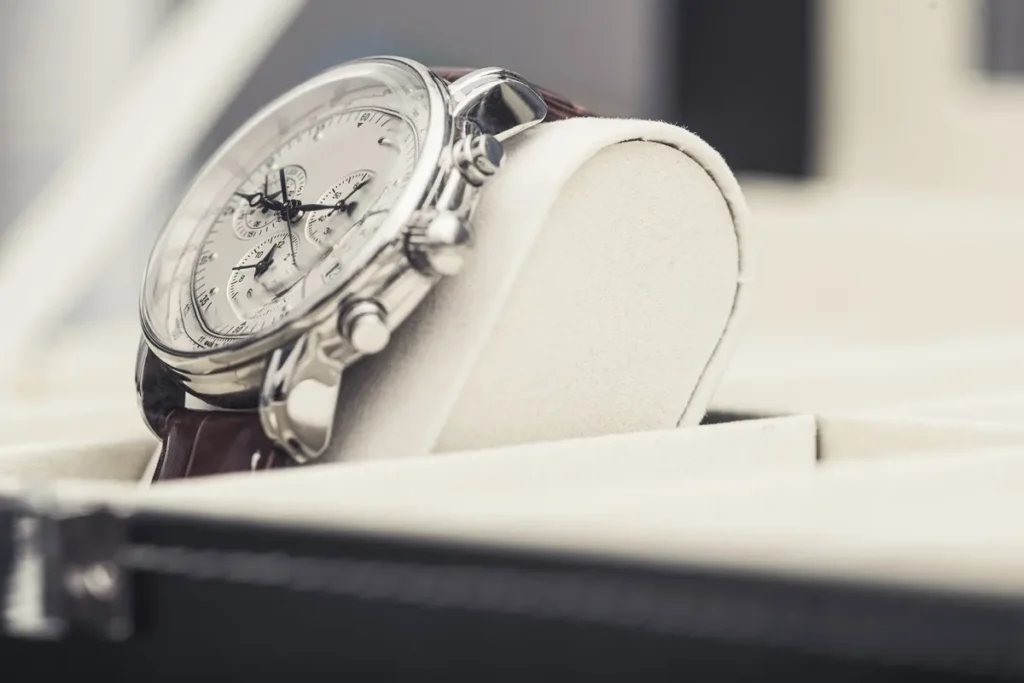
There’s a moment most Rolex owners recognize, you open the drawer, spot the watch sitting there unused, and start wondering what it’s actually worth. If you’re thinking about how to sell old Rolex in NYC, the good news is that this city has one of the most active pre-owned luxury watch markets in the country. The less obvious news? How you approach the sale makes an enormous difference in what you walk away with. Not every buyer is equal, not every offer is fair, and not every seller goes in prepared.
Your Watch Has a Story, Buyers Are Reading Every Chapter
Before you even think about price, understand that a Rolex buyer isn’t just looking at the watch on your wrist. They’re reading condition, provenance, and completeness. Does it have the original box? Are there papers, warranty cards, chronometer certificates, hang tags? Is the dial original or has it been refinished? These details move the needle significantly on what a serious buyer will offer.
A Submariner with full box and papers can command a meaningfully higher price than the same reference without documentation. That’s not a small gap, it can be thousands of dollars. If you’ve held onto those materials, dig them out before your appointment. And if you’re unsure whether your watch has been serviced with non-original parts, it’s worth knowing ahead of time. Buyers will spot it, and you’d rather not be caught off guard mid-negotiation.
Condition matters too, but not always in the way people assume. A well-worn Rolex with original surfaces, unpolished case edges, intact dial, can actually be more desirable to collectors than one that’s been over-serviced and buffed to a shine. If you’re considering any prep work before selling, read up on essential repairs worth making before you sellsome improvements help, others can quietly hurt your offer.
The NYC Market Plays by Its Own Rules
Selling a luxury timepiece in New York is genuinely different from doing it in most other cities. The density of serious collectors, the volume of transactions, and the competition among buyers here keeps the market sharp. That’s mostly good for sellers, but it also means buyers are sophisticated. They’ve seen every model, every condition grade, every story.
Pawn shops, online platforms, and auction houses are all options, but each comes with trade-offs. Online consignment can take weeks or months, and fees often eat into your return more than expected. Auction houses work well for rare pieces but are rarely worth the commission structure on a standard Submariner or Datejust. A direct local buyer who specializes in pre-owned Rolex watches typically offers the fastest transaction and the most transparent process.
NYC Watch Buyers operates in this space with years of experience evaluating and purchasing luxury timepieces. Sellers who’ve worked with the team often mention how straightforward the process felt, no pressure, no games, just a clear offer based on real market data. That kind of experience matters when you’re handing over something valuable.
The Mistakes That Cost Sellers Real Money
The biggest error most people make is accepting the first offer they receive without any frame of reference. If you don’t know what your reference number is currently trading for on the secondary market, you’re negotiating blind. Spend fifteen minutes on Chrono24 or WatchCharts before your appointment. You don’t need to become an expert, you just need a baseline.
The second mistake is letting emotion drive the conversation. Your Rolex may have been a graduation gift or a retirement milestone. That history is meaningful to you, but it doesn’t factor into market value. Separating sentiment from transaction is something experienced sellers do naturally. First-timers sometimes struggle with it.
Third, and this one surprises people, is over-polishing or over-preparing the watch. A Rolex that’s been buffed, re-dialed, or had its bracelet stretched out from heavy wear can actually appraise lower than one left in honest, original condition. How condition affects value in the NYC market is more nuanced than most sellers expect going in.
Skipping research on the buyer is another costly oversight. Check reviews, look at how long they’ve been in business, and see whether they specialize in luxury watches or treat them as one category among many. A generalist buyer won’t value your Rolex the way a specialist will.
Timing Your Sale Is More Strategic Than You Think
The pre-owned Rolex market moves with broader economic trends, collector demand cycles, and even new model announcements from Rolex itself. When Rolex releases a highly anticipated reference, secondary market prices for related models often shift. Sports models like the GMT-Master II and Daytona tend to hold strong, but values fluctuate more than people assume.
Right now, the market for pre-owned Rolex watches remains active in New York. Demand from both collectors and buyers looking for alternatives to retail waitlists keeps things moving. If you’ve been sitting on a watch and waiting for the “right moment,” the current environment is reasonably favorable, particularly for steel sports references and vintage pieces with original dials.
That said, timing isn’t everything. A well-prepared seller with documentation and realistic expectations will do better in a slow market than an unprepared seller in a hot one. Focus on what you can control: condition, paperwork, and choosing the right buyer. The rest takes care of itself.
If you’re still weighing your options or want a broader look at what drives value before committing to a sale, understanding what your watch is actually worth is a smart place to start. Knowledge going in is the single best advantage any seller can have.
Frequently Asked Questions
Does having the original box and papers really make that big a difference in what I’ll get offered?
Yes, and the gap is larger than most people expect, for a reference like the Submariner, the difference between having full box and papers versus nothing can run into the thousands of dollars. Buyers aren’t being arbitrary about this; documentation confirms authenticity, original ownership history, and keeps the watch more liquid for resale. If you’ve held onto those materials, dig them out of storage before your appointment rather than leaving money on the table.
I had my Rolex polished and serviced before coming in, did that hurt my chances of a good offer?
It might have, depending on what was done. A Rolex with original unpolished case edges and an untouched dial can actually be more desirable to collectors than one that’s been buffed to a shine or had parts swapped during servicing. Buyers will spot non-original components or refinished surfaces, so it’s better to know what was done to your watch before the conversation starts rather than being caught off guard mid-negotiation.
How do I know if the offer I’m getting from a local buyer is actually fair?
Spend fifteen minutes on Chrono24 or WatchCharts before your appointment to see what your specific reference number is currently trading for on the secondary market. You don’t need to become an expert, you just need a baseline so you’re not negotiating blind. Going in without that context is the single most common mistake sellers make, and it’s an easy one to avoid.
Why shouldn’t I just list it on an online platform or send it to an auction house instead of selling locally?
Online consignment can take weeks or months to close, and platform fees often eat into your return more than you’d expect upfront. Auction houses can work well for genuinely rare pieces, but the commission structure rarely makes sense for a standard Submariner or Datejust. A direct local buyer who specializes in pre-owned luxury watches typically offers the fastest transaction and the most transparent process.
Is now actually a good time to sell in NYC, or should I wait for the market to improve?
The current market for pre-owned Rolex watches in New York is reasonably active, particularly for steel sports references and vintage pieces with original dials. Demand from collectors and buyers looking for alternatives to retail waitlists has kept things moving. That said, a well-prepared seller with documentation and realistic expectations will outperform an unprepared seller even in a stronger market, so focus on what you can control.