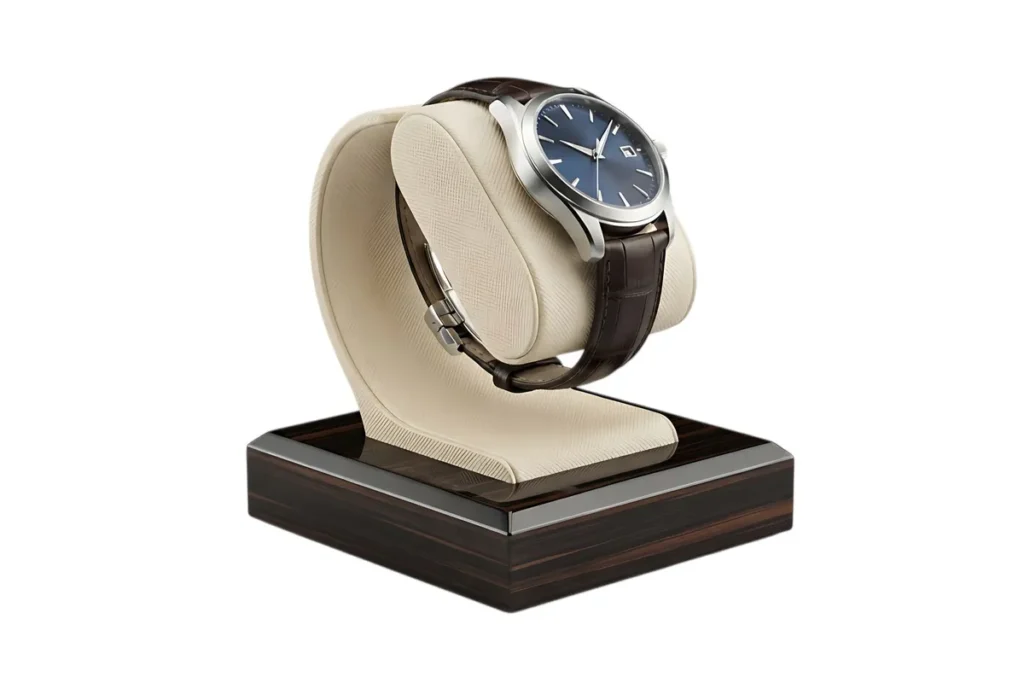
If you’ve been sitting on a Rolex and thinking, I need to sell my Rolex watch NYCyou’re not alone. Thousands of New Yorkers every year decide it’s time to turn a luxury timepiece into real cash, whether they’re upgrading, downsizing, or just finally making a decision they’ve been putting off for years. But here’s the thing: most people walk into this process without knowing what actually determines their offer, and that gap in knowledge costs them money. Real money. Here’s what you should know before you hand over that watch to anyone.
Your Rolex’s Story Matters More Than You Think
A Rolex isn’t just a watch, it’s a documented object with a history that buyers can trace. The reference number, the serial number, the production year, the specific dial variation, these details shift value significantly. A Submariner from the mid-1980s with a “tropical” dial, for example, can command a premium that a standard version simply won’t. A Daytona with its original box and papers can be worth meaningfully more than the same model without documentation.
What this means practically: before you go anywhere, dig out whatever you have. Original box, warranty card, service receipts, hang tags, gather all of it. Even partial documentation helps. Buyers who specialize in Rolex know exactly what they’re looking at, and they’ll factor every piece of paperwork into their offer. If you’re not sure what you have or what it’s worth, learning how to accurately assess value before selling is a smart first move that takes very little time.
Condition is the other half of this equation. A watch that’s been worn daily for twenty years looks different from one that spent most of its life in a drawer. Scratches, dents, and replaced parts all factor in. That said, don’t polish the case yourself before bringing it in, over-polishing actually removes metal and can reduce value by softening the sharp edges that collectors prize. Leave it as-is and let the buyer evaluate it honestly.
The NYC Market Plays by Its Own Rules
Selling a Rolex in New York City is genuinely different from selling one anywhere else in the country. The city has a dense concentration of serious collectors, active dealers, and buyers who move high volumes of luxury watches every week. That competition works in your favor, it keeps offers honest and gives you real options.
Pawn shops, however, are a different story. Many people default to them out of convenience, and that’s where value gets left on the table. Pawn shops operate on wide margins because they’re generalists, they deal in everything from guitars to jewelry to electronics. A Rolex specialist, by contrast, knows the secondary market in real time. They know what a specific reference is selling for on the global market this week, not just a rough estimate based on the brand name alone.
NYC Watch Buyers operates in Midtown Manhattan with years of experience specifically in luxury timepieces. Sellers who’ve worked with them consistently come away noting how transparent the process felt, no pressure, no lowball offers dressed up in confusing language, just a clear explanation of what the watch is worth and why. That kind of straightforward approach is rarer than it should be in this business.
It’s also worth understanding that timing can affect what you’re offered. Certain references move faster at different points in the year, and market demand for specific models shifts. If you want a deeper look at how that plays out locally, this guide to timing and trends in the NYC watch market breaks it down clearly.
Where People Go Wrong, and How to Avoid It
The biggest mistake sellers make is accepting the first offer they receive. It feels efficient, especially in a city where everyone is busy. But luxury watches are not commodity items with fixed prices. Two buyers can look at the same Rolex and come back with offers that differ by hundreds or even thousands of dollars, based entirely on their current inventory needs, their customer base, and how well they actually know the model.
Get at least two or three offers. It takes an afternoon, not a week. And when you’re comparing offers, make sure you’re comparing apples to apples, some buyers quote high and then find reasons to lower the number during the transaction. Ask upfront whether the quoted price is the final price, and whether there are any fees taken out before you’re paid.
Another common misstep: selling online without fully understanding the risks. Platforms like eBay or Chrono24 can yield strong prices, but they also come with fees, shipping risks, potential fraud, and weeks of waiting. For most people who want a fair price and a fast, clean transaction, a reputable local buyer is simply the better option. You walk in with a watch, you walk out with cash or a wire transfer. No shipping insurance nightmares, no buyer disputes, no waiting.
What a Fair Buyer Actually Looks Like
A legitimate watch buyer will do a few things consistently. They’ll examine the watch thoroughly in front of you. They’ll explain what they’re looking at and why it affects value. They won’t rush you, and they won’t use high-pressure tactics to get you to accept on the spot. They’ll also be transparent about the market, if a particular reference is soft right now, they should be able to tell you why, not just hand you a number and hope you take it.
Credentials matter too. Look for buyers who are established, have a physical location, and have a track record in the city. Online reviews tell part of the story, but so does how a buyer conducts themselves in person. Trust your instincts, if something feels off about the process, it probably is.
Selling a Rolex should feel like a professional transaction, not a negotiation you stumbled into unprepared. Walk in knowing your watch, knowing your options, and knowing what a fair process looks like. The city has the buyers, you just need to find the right one.
Frequently Asked Questions
Should I clean or polish my Rolex before bringing it in to a buyer in NYC?
No, leave the watch exactly as it is before you walk in. Over-polishing actually removes metal from the case and softens the sharp edges that collectors specifically look for, which can reduce what you’re offered. Let the buyer evaluate it in its current condition; that’s what gives you an honest number.
Does it matter if I only have some of the original paperwork and not the full box and papers?
Partial documentation still helps, so gather whatever you have, warranty cards, service receipts, hang tags, anything. A Daytona with its original box and papers is worth meaningfully more than the same model without them, but even incomplete paperwork factors into a specialist’s offer. Don’t assume that having only part of the documentation means it’s not worth bringing.
Why would two buyers in the city come back with offers that are hundreds or thousands of dollars apart on the same watch?
Because a Rolex isn’t a commodity with a fixed price, offers are shaped by each buyer’s current inventory, their customer base, and how well they actually know that specific reference. A generalist like a pawn shop works off rough brand-name estimates, while a specialist tracks what a specific model is selling for on the global market that week. That gap in knowledge is exactly where sellers lose real money.
Is there anything to watch out for when a buyer gives me an initial quote that seems high?
Yes, some buyers quote a strong number upfront and then find reasons to lower it during the actual transaction. Before you commit, ask directly whether the price they’re quoting is the final price and whether any fees come out before you’re paid. Getting that confirmed clearly at the start protects you from a number that looks good on the surface but shrinks by the time you walk out.
Why not just list the watch on eBay or Chrono24 if those platforms can get a higher price?
Those platforms can yield strong prices, but they also come with seller fees, shipping risks, the possibility of fraud, and potentially weeks of waiting for a transaction to close. For most people who want a fair price without those variables, a reputable local buyer in the city is the cleaner option, you bring the watch in, they evaluate it in front of you, and you leave with cash or a wire transfer the same day.