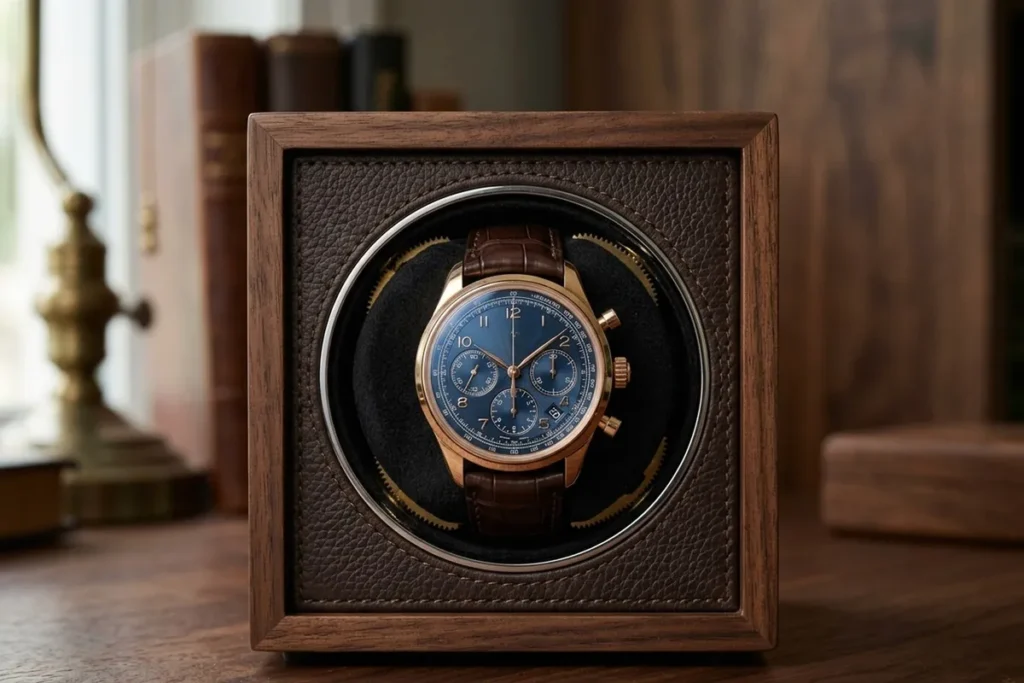
If you’ve been sitting on a luxury timepiece and wondering whether now is the right time to cash in, the decision to sell my watch NYC is one that deserves more than a quick Google search. The city’s watch market is genuinely unlike anywhere else in the country, and understanding what’s happening right now could mean the difference between a good offer and a great one.
The City That Never Sleeps Also Never Stops Buying Watches
New York City operates on a different level when it comes to luxury goods. There’s a concentration of serious collectors, estate buyers, and high-end resellers here that simply doesn’t exist in most other markets. That density of demand works in your favor as a seller. When a buyer in Phoenix might have three or four potential buyers for a Rolex Submariner, a seller in Manhattan has dozens, and that competition drives prices up.
The pre-owned luxury watch market has seen sustained demand over the past few years. Collectors who once waited for auction events are now buying directly and quickly. That shift matters because it means you don’t have to wait months for the right buyer to appear. The right buyer is already here, already looking, and already ready to pay.
Timing still plays a role, of course. If you want to dig deeper into how market cycles affect what you walk away with, this guide on timing and trends in the NYC watch market breaks it down clearly.
What Your Watch Is Actually Worth, And Why You Might Be Surprised
Most people either overestimate or underestimate what their timepiece will fetch. Both mistakes cost money.
Overestimating is common. Someone paid $12,000 for a watch ten years ago and assumes it’s worth at least that today. Sometimes they’re right, certain Rolex, Patek Philippe, and Audemars Piguet references have genuinely appreciated. But plenty of luxury watches depreciate just like cars do, and sentimental value doesn’t translate to market value.
Underestimating is just as costly. People walk into a pawn shop with a vintage Omega or a lesser-known Jaeger-LeCoultre reference and accept a lowball number because they didn’t know what they had. Vintage pieces especially can carry surprising value, factors like production year, dial condition, and whether the watch has its original parts all play a significant role. If you own something older, it’s worth reading up on how to evaluate vintage timepieces before you sell so you’re not leaving money on the table.
The honest answer is that accurate valuation requires someone who handles these watches daily. NYC Watch Buyers has been doing exactly that for years, and the feedback from people who’ve worked with them reflects something consistent, sellers leave feeling like they were treated fairly and actually educated about what they owned, not just handed a number and pushed out the door.
Condition, Documentation, and the Details That Move the Needle
Here’s something that catches a lot of sellers off guard: two identical watches can fetch very different prices based on condition and paperwork alone.
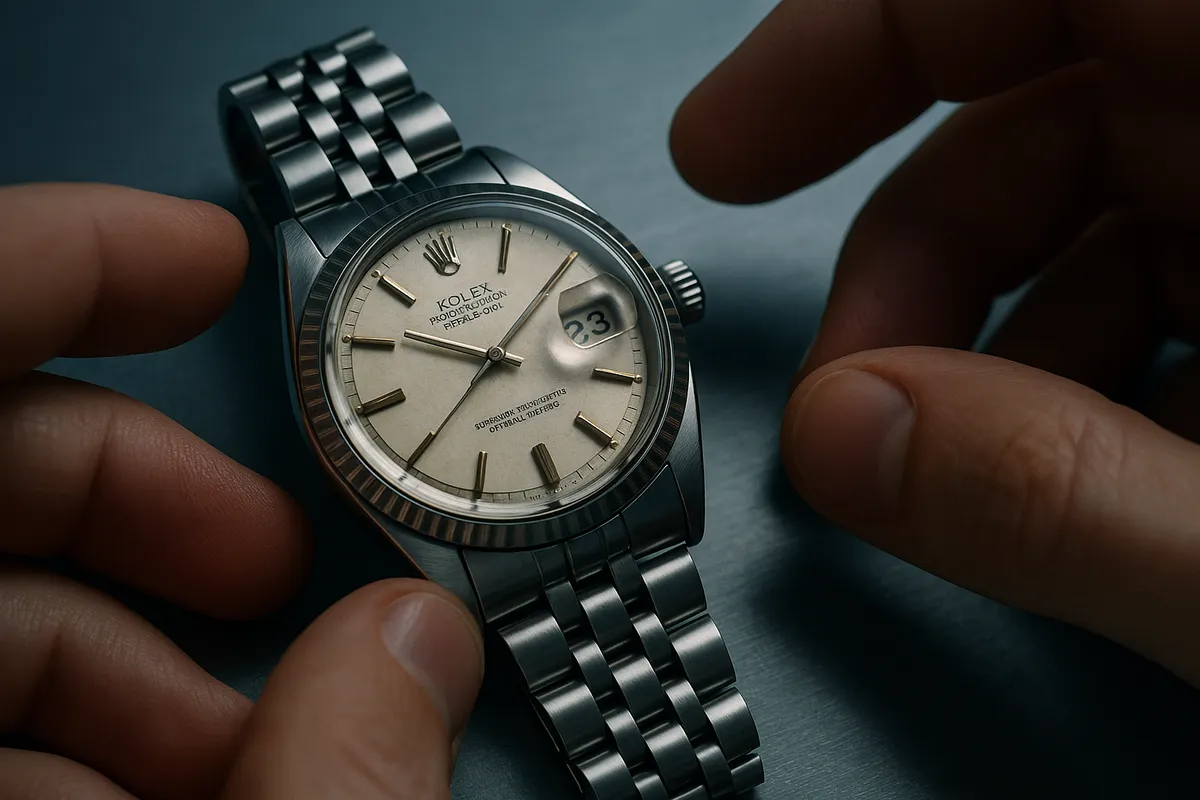
A Rolex Datejust with its original box, warranty card, and service records will consistently outperform the same reference without documentation. Buyers, especially serious collectors, pay a premium for provenance. It reduces their risk and confirms authenticity in a market where fakes have become increasingly sophisticated.
Physical condition matters too, but not always in the way people expect. A watch with honest wear and original patina can actually be more desirable to certain collectors than one that’s been over-polished. Refinishing a case can strip value rather than add it. Before you do anything to your watch to “clean it up,” it’s worth understanding how condition actually affects value in the NYC market.
Pull together everything you have, receipts, service records, original packaging, hang tags. Even partial documentation helps. And if you’ve had the watch serviced recently, note where and when. That information has real monetary weight in a negotiation.
Why Working With a Local Buyer Changes the Entire Experience
Online platforms like Chrono24 or eBay give you reach, but they also come with fees, shipping risks, buyer disputes, and the very real possibility of fraud. Auction houses take significant commissions and operate on their own timelines, not yours.
Working with an established local buyer in New York cuts through all of that. You sit across from someone, they examine the watch in person, and you get a real offer the same day. There’s no waiting, no shipping a valuable piece across the country, and no surprise fees that chip away at your final number. Many people who’ve gone through the process describe it as far simpler than they expected, the kind of transaction where you walk in with a watch and walk out with cash, without the anxiety that comes with selling online to a stranger.
NYC Watch Buyers operates with that straightforward approach. Their team evaluates your piece honestly, explains their reasoning, and makes an offer based on current market conditions, not a formula designed to protect their margin at your expense.
Before your appointment, it’s smart to go in prepared. A quick review of what to consider before you sell can help you walk in with realistic expectations and the right materials in hand. The more prepared you are, the smoother the whole process goes, and the better your outcome tends to be.
The NYC market rewards sellers who do their homework. You don’t need to become an expert, but knowing the basics puts you in a much stronger position than walking in blind and hoping for the best.
Frequently Asked Questions
Does having the original box and papers really make that big a difference in what I get offered?
Yes, and the gap can be significant, a Rolex Datejust with its original box, warranty card, and service records will consistently outperform the same reference without any documentation. Serious collectors pay a premium for provenance because it reduces their risk and confirms authenticity, especially now that fakes have become harder to spot. Even partial documentation helps, so pull together whatever you have before your appointment.
I had my watch polished before bringing it in, could that actually hurt the offer I get?
It can, and this catches a lot of sellers off guard. A watch with honest wear and original patina can be more desirable to certain collectors than one that’s been refinished, because polishing a case can strip value rather than add it. Before doing anything to clean up your piece, it’s worth understanding how condition actually affects pricing in this market.
Why would I get a better price in NYC than I would selling the same watch somewhere else?
The concentration of serious collectors, estate buyers, and high-end resellers in New York simply doesn’t exist in most other markets. Where a seller in another city might have three or four potential buyers for a given reference, a seller in Manhattan has dozens, and that competition pushes offers higher. That density of demand works directly in your favor.
What’s the real downside of listing my watch on eBay or Chrono24 instead of going to a local buyer?
Online platforms come with fees, shipping risks, buyer disputes, and a genuine risk of fraud, none of which you’re dealing with when you sit across from someone in person. Auction houses are another option, but they take significant commissions and run on their own timeline, not yours. A local buyer in New York can examine the watch the same day and make a real offer before you leave.
I paid a lot for my watch years ago, is it reasonable to expect to get that back?
Not always, and assuming otherwise is one of the most common mistakes sellers make. Certain Rolex, Patek Philippe, and Audemars Piguet references have genuinely appreciated over time, but plenty of luxury watches depreciate much like cars do, and sentimental value doesn’t translate to market value. Getting an honest assessment from someone who handles these watches daily is the only reliable way to know where yours actually stands.