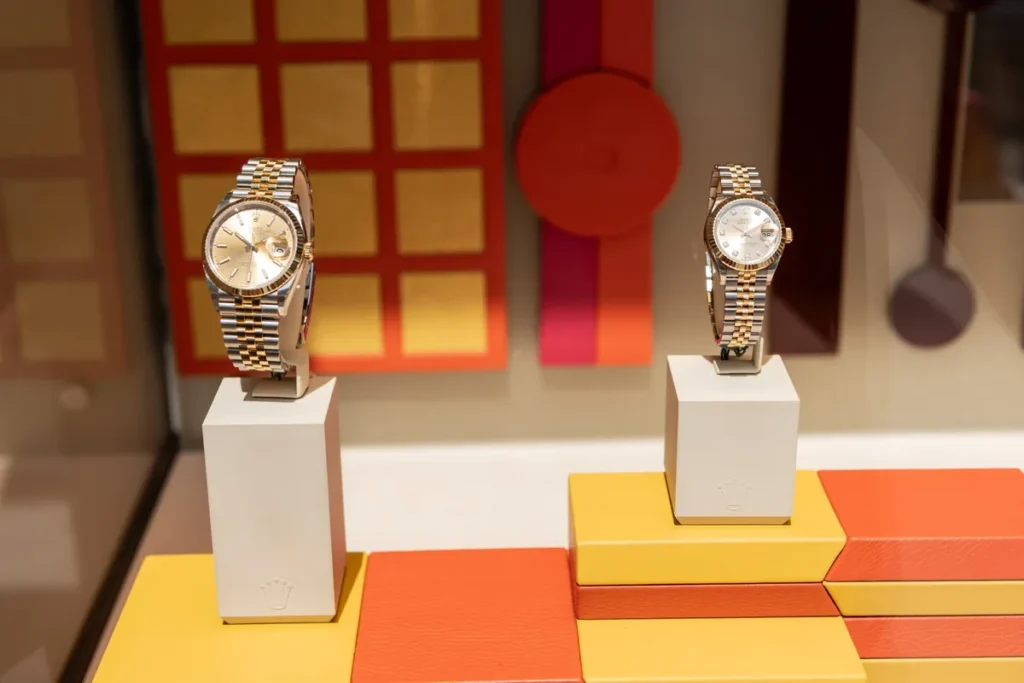
If you’re thinking about where to sell watches NYCone thing will shape your outcome more than the brand name on the dial, more than the model, and sometimes even more than the year it was made, and that’s condition. Walk into any reputable buyer’s office and the first thing they’ll do is look the piece over carefully, because condition tells a story. It tells them how much work they’ll need to do, what they can realistically ask for it, and ultimately, what they’re willing to pay you right now.
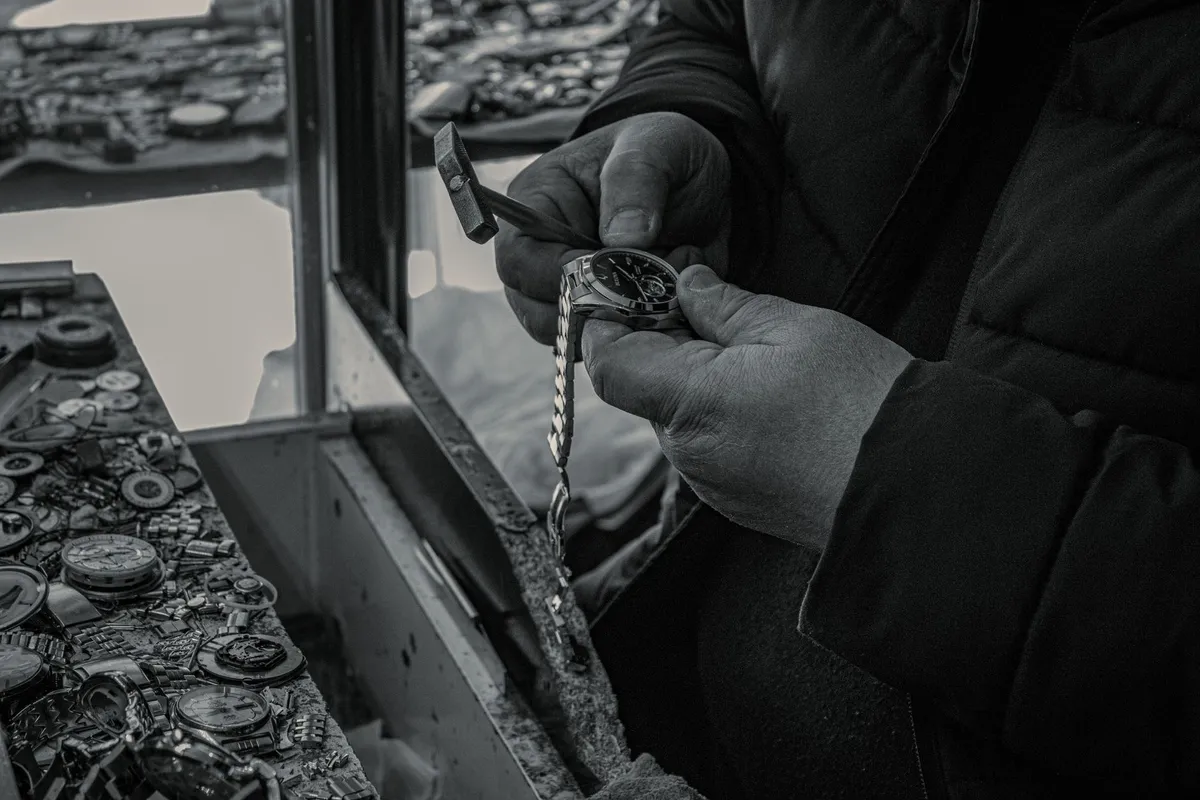
The Scratch You Barely Notice Could Cost You Hundreds
Most sellers come in thinking their watch looks “pretty good.” And honestly, it probably does, to an untrained eye. But watch buyers in NYC see dozens of pieces every week. They notice the micro-scratches on a bezel that tell them the watch lived on a wrist that bumped into things. They spot a polished case on a watch that should have its original brushed finish. That last one is particularly important.
Many people, with good intentions, take their Rolex or Omega to a jeweler for a “clean and polish” before selling. It feels like the right move. It isn’t. Over-polishing a luxury watch actually removes metal, softens the crisp edges that collectors love, and erases the evidence of originality. A watch with its factory finish intact, even with honest wear, will almost always command a stronger offer than one that’s been buffed to a mirror shine by someone who didn’t understand what they were working with.
Scratches on the crystal matter too, but less than most people think. Sapphire crystals can be replaced relatively cheaply, so a buyer will factor that in but it won’t crater your offer. Deep case damage, bent lugs, or a stretched bracelet, those are the things that genuinely hurt the number.
What “Running” Actually Means to a Serious Buyer
There’s a common assumption that a watch just needs to be running to be in good shape. That’s only half the story. A watch can tick along just fine while being years overdue for a service. Buyers know this. When they wind a piece and it runs, they’re happy, but they’re also already calculating whether the movement needs a full service, which can run anywhere from a few hundred to well over a thousand dollars depending on the caliber.
A watch that comes with recent service records is a different conversation entirely. Documentation showing the movement was serviced by a certified watchmaker in the last three to five years tells a buyer they’re not inheriting a problem. That kind of paperwork can meaningfully increase what you walk away with. If you’ve had your watch serviced and kept the receipts, bring them. Don’t leave them in a drawer at home thinking they won’t matter.
On the flip side, if your watch hasn’t been worn in years and you’re not sure if it runs, don’t try to wind it aggressively before bringing it in. Dried lubricants inside an old movement can cause damage when forced. Let the buyer’s watchmaker handle it, that’s the safer move for everyone.
Original Parts Are Worth More Than You’d Expect
This is where a lot of sellers leave money on the table without realizing it. The watch market, especially in a city like New York, has a strong collector base that cares deeply about originality. An original dial, even if it shows some age, is often worth more than a replacement dial in perfect condition. Original hands, original crown, original bracelet with the correct end links, these details add up.
If your watch came with a box and papers, those aren’t just nice to have. For certain brands and references, the complete set can add 20 to 40 percent to the value. A Rolex Submariner with its original box, warranty card, and hang tags is a fundamentally different sale than the same watch without any of it. Dig through your closets before you come in. Check old storage boxes. People find original packaging in surprising places.
Replacement parts, aftermarket bracelets, third-party dials, non-original crowns, all reduce value. Even well-intentioned upgrades can work against you. Buyers want what the manufacturer made, not what someone decided was an improvement.
For a deeper look at how to position your timepiece before meeting with a buyer, the guide on essential steps to maximize your watch’s value walks through the process in practical detail. And if you’re weighing the real costs involved in different selling routes, it’s worth reading about the unexpected costs that can eat into your return before you commit to anything.
Why NYC Buyers Read Condition Differently Than You Do
Buyers here have seen it all. The team at NYC Watch Buyers, for instance, handles everything from everyday dress watches to rare vintage references, and that breadth of experience means they’re grading condition against a wide benchmark. They’re not just thinking about what the watch looks like today. They’re thinking about what it will look like to the next buyer, and the one after that.
That perspective is actually useful for sellers. When a buyer points out a flaw, they’re not trying to lowball you for sport, they’re telling you exactly what’s affecting their offer. Sellers who listen to that feedback, ask questions, and understand the reasoning tend to walk away feeling better about the transaction, even when the number isn’t what they hoped for. Several people who’ve worked with experienced local buyers have said afterward that the transparency alone made the experience worth it, regardless of the final price.
Condition isn’t destiny. A watch in rough shape can still sell. A heavily worn piece with a great provenance or a rare reference can still command serious money. But going in with a clear-eyed understanding of what condition means to a buyer, and what it means to your offer, puts you in a far stronger position than walking in blind and hoping for the best.
Frequently Asked Questions
Should I get my watch polished before bringing it in to a buyer in NYC?
No, and this is one of the most common mistakes sellers make. Over-polishing removes metal, softens the sharp edges collectors look for, and erases the original factory finish, which actually lowers what a buyer will offer you. A watch with honest wear and its original brushed or satin finish intact will almost always get a stronger number than one that’s been buffed by someone who didn’t understand what they were working with.
Does it matter if my watch is still running when I bring it in?
It helps, but a running watch isn’t automatically a healthy one, buyers know a movement can tick along while being years overdue for a full service. What actually moves the needle is documentation: if you have receipts showing a certified watchmaker serviced the movement within the last three to five years, bring them, because that paperwork can meaningfully increase your offer. If the watch hasn’t been worn in a long time, don’t try to wind it aggressively beforehand, since dried lubricants can cause damage when forced.
How much does having the original box and papers actually affect what I get paid?
For certain brands and references, a complete set, box, warranty card, hang tags, can add 20 to 40 percent to the value compared to the same watch without any of it. It’s worth digging through closets and old storage boxes before you come in, because people find original packaging in places they forgot about. A Rolex Submariner with all its original materials is a fundamentally different transaction than the same reference with nothing to accompany it.
I replaced the bracelet with an aftermarket one, will that hurt my offer?
Yes, it will. Buyers in NYC are working with a strong collector base that cares about originality, and an aftermarket bracelet signals that the watch is no longer in its factory configuration. Even if the replacement looks better to you, buyers want what the manufacturer made, not what someone decided was an improvement. If you still have the original bracelet and end links somewhere, bring those along as well.
Does a scratched crystal significantly lower what a buyer will pay me?
Less than most people expect, sapphire crystals can be replaced relatively cheaply, so a buyer will factor in that cost but it won’t dramatically reduce your offer. What genuinely hurts the number is deeper structural damage: bent lugs, deep case gouges, or a stretched bracelet are the things that create real problems for a buyer reselling the piece. Scratches on the crystal are a line item, not a deal-breaker.