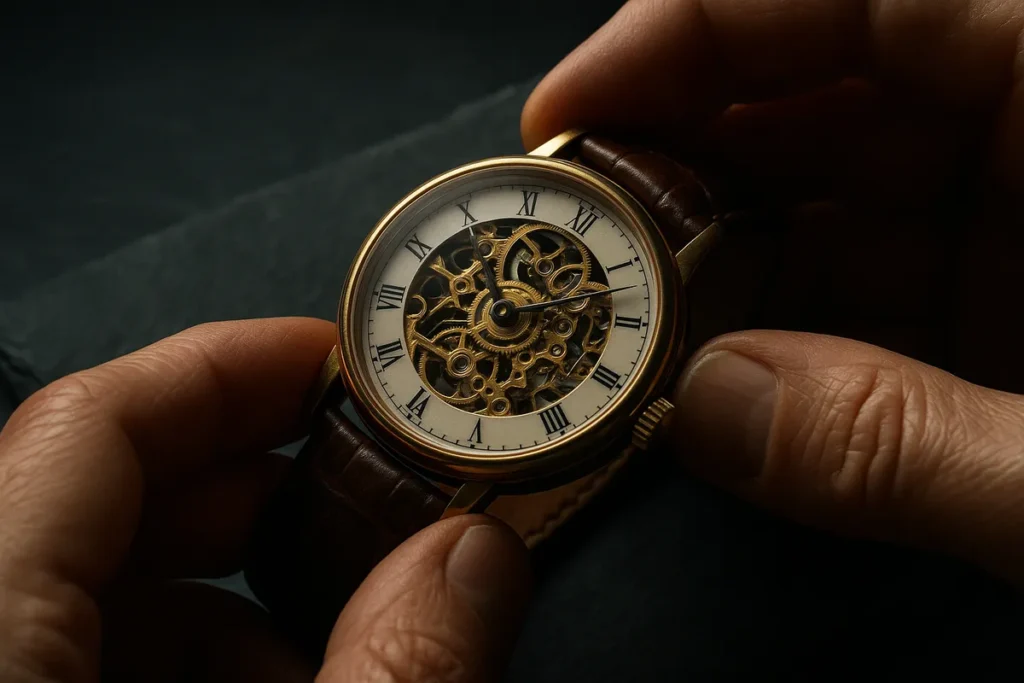
There’s a right way and a very wrong way to sell watches NYC — and the difference between the two can be hundreds, sometimes thousands, of dollars. Most people don’t realize this until after the transaction is done. Whether you’ve got a Rolex sitting in a drawer or a vintage Omega that belonged to your grandfather, the steps you take before walking into any buyer’s office matter enormously. Here’s what you need to know before you go anywhere near a counter.
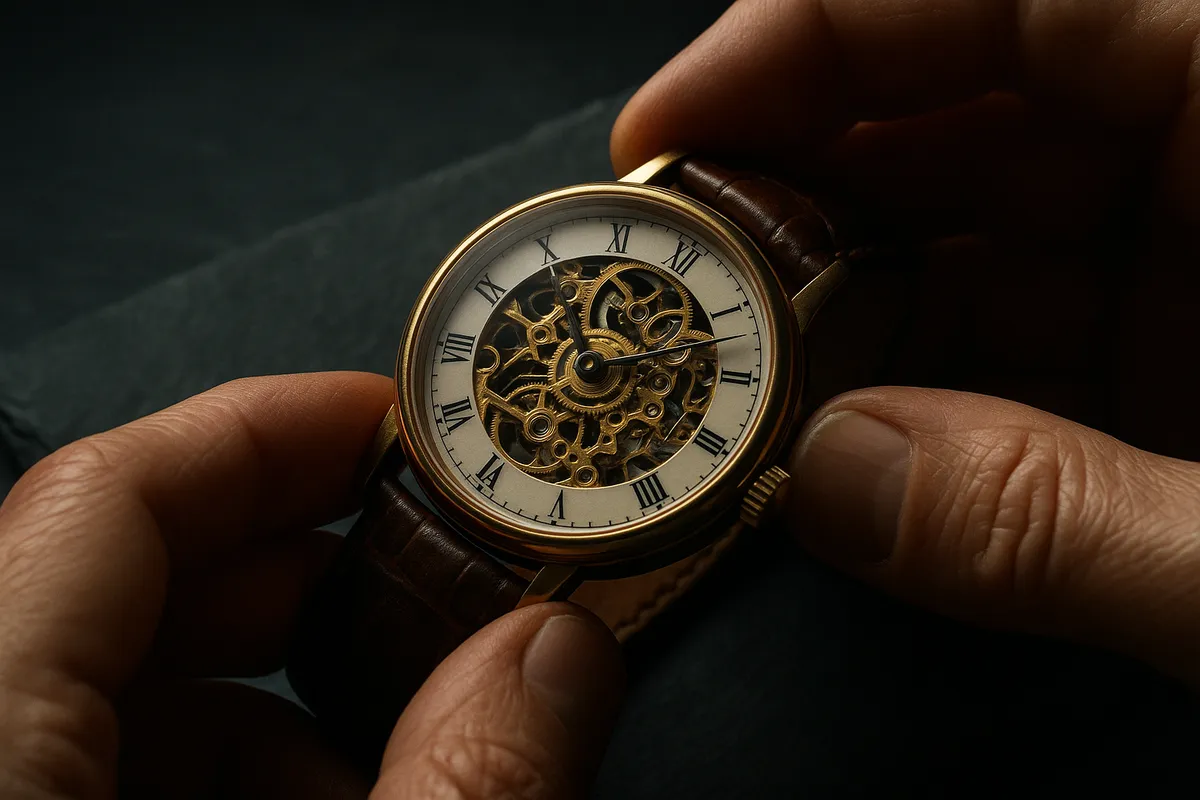
Know What You’re Holding Before Anyone Else Tells You
The single biggest mistake sellers make is walking in completely blind. They hand over a watch, accept the first number they hear, and walk out thinking they got a fair deal. Sometimes they did. Often they didn’t.
Before you approach any buyer, do your homework. Look up your watch’s reference number — it’s usually on the case back or between the lugs at the 12 o’clock position. Run that number through recent auction records and resale platforms. You don’t need to become an expert overnight, but you should have a general sense of what the market looks like right now.
Condition matters too, but not always in the way people assume. A watch with original, unpolished surfaces — even if it shows wear — can actually be worth more than one that’s been buffed and refinished. Collectors call it “honest wear,” and they pay a premium for it. Knowing this before you walk in means you won’t let anyone talk you into a lower offer based on surface scratches.
For a deeper look at what experienced buyers actually pay attention to, this breakdown of what NYC watch buyers wish sellers knew is worth reading before your first appointment.
Documentation Is Worth More Than You Think
Box and papers. Two words that can add a significant percentage to your final offer. Original boxes, warranty cards, hang tags, service records — all of it signals to a serious buyer that a watch has been cared for and properly tracked through its ownership history.
Don’t have the original box? That’s fine — it’s not a dealbreaker. But if you have anything at all — even a receipt from a servicing appointment — bring it. Buyers use documentation to verify authenticity and age, which directly affects what they’re willing to pay.
This is especially true for luxury brands like Patek Philippe, Audemars Piguet, and Rolex, where provenance can swing the value dramatically. A full set — watch, box, papers, and service history — is the gold standard. Even a partial set puts you in a stronger position than showing up empty-handed.
One thing many sellers overlook: photographs. If your watch came with original photos from purchase or has appeared in any documentation, those images can support authenticity claims and add credibility to your asking position.
Get More Than One Offer — Seriously
This is where most people leave money on the table. They go to one place, hear a number, and either accept it or walk away. Neither response is ideal if you haven’t tested the market first.
Getting two or three offers from reputable buyers gives you real data. It also gives you leverage. A legitimate buyer won’t be offended that you’re shopping around — in fact, a buyer who pressures you to decide on the spot is one you should walk away from immediately. That’s a red flag, not a sales tactic.
NYC has a concentrated market for pre-owned luxury timepieces, which is genuinely an advantage for sellers. You can visit multiple established buyers in a single afternoon. The key is sticking to buyers with verifiable reputations — look for reviews, years in business, and transparent processes. Many sellers who’ve worked with established local buyers have described the experience as straightforward and pressure-free, which is exactly what you want when you’re making a significant financial decision.
If you want to understand how the broader market works and what separates serious buyers from opportunistic ones, this guide on getting real value from your timepiece covers it well.
Presentation and Timing Can Shift the Offer
This sounds minor, but it isn’t. Bring your watch clean. Not polished — clean. A light wipe-down with a soft cloth makes a difference in first impressions. Make sure the bracelet is intact, the crown is properly pushed in, and if it’s an automatic, wind it before you go so it’s running when you present it.
Timing matters in a different way too. The luxury watch market moves with collector demand, and certain references spike in value based on trends, auction results, and cultural moments. A reference that’s hot right now might cool off in six months. If you’ve been sitting on a watch you know you want to part with, waiting rarely works in your favor — markets are unpredictable, and condition only declines with time.
At NYC Watch Buyers, the process is built around transparency — you get a clear evaluation, a fair offer, and zero pressure to decide on the spot. That kind of straightforward experience is what makes the difference between a transaction you feel good about and one that leaves you second-guessing yourself for weeks.
The bottom line is simple: preparation is the most valuable thing you can bring to the table when you’re ready to part with a timepiece. Know your watch, bring what you have, get multiple offers, and work with buyers who have a real track record in this city. Do those things, and you’re already ahead of most sellers who walk through the door.
Frequently Asked Questions About Sell Watches
Where can I sell my watch in NYC for the best price?
New York City has a thriving market for pre-owned luxury watches, with reputable buyers located in neighborhoods like Midtown Manhattan, the Diamond District on 47th Street, and the Upper East Side. To get the best price, we recommend visiting multiple buyers and getting at least two or three offers before committing to a sale. Working with an established local watch buyer who specializes in luxury timepieces will typically yield a higher payout than pawning your watch or selling through a general resale shop.
What documents or accessories should I bring when selling my watch in NYC?
Bringing the original box, papers, warranty cards, and any service records can significantly increase the value of your watch when selling to a buyer in NYC. While you can still sell a watch without these items, having the full set — often referred to as a “complete set” — can add anywhere from 10% to 30% more to your final offer depending on the brand and model. If you’ve misplaced your papers, don’t worry — experienced local buyers can still authenticate and appraise your timepiece based on the watch itself.
How do I know if a watch buyer in NYC is trustworthy and legitimate?
Look for watch buyers in NYC who are licensed, have verifiable reviews on Google or Yelp, and maintain a transparent appraisal process where they explain how they arrived at their offer. Reputable buyers will never pressure you into accepting an offer on the spot and will welcome your questions about their valuation method. You can also check if the buyer is a member of industry organizations such as the American Gem Society or has affiliations with recognized horological associations as an added layer of credibility.
How long does the process of selling a watch in NYC typically take?
In most cases, selling your watch to a local NYC buyer is a quick and straightforward process that can be completed in as little as 30 to 60 minutes from appraisal to payment. The buyer will inspect and authenticate the watch, present you with an offer, and if you accept, issue payment — often in cash or via bank transfer on the same day. If your watch is a particularly rare or high-value piece, the buyer may request a short period of 24 to 48 hours to conduct additional research before finalizing their offer.
Which watch brands sell for the most money with NYC watch buyers?
Brands like Rolex, Patek Philippe, Audemars Piguet, Richard Mille, and Cartier consistently command the highest resale values with watch buyers throughout New York City. Rolex sports models such as the Submariner, Daytona, and GMT-Master II are especially in high demand and often sell quickly at strong prices. Other brands like Omega, Breitling, IWC, and Jaeger-LeCoultre also attract competitive offers, particularly for limited edition or vintage references that are sought after by collectors in the NYC market.