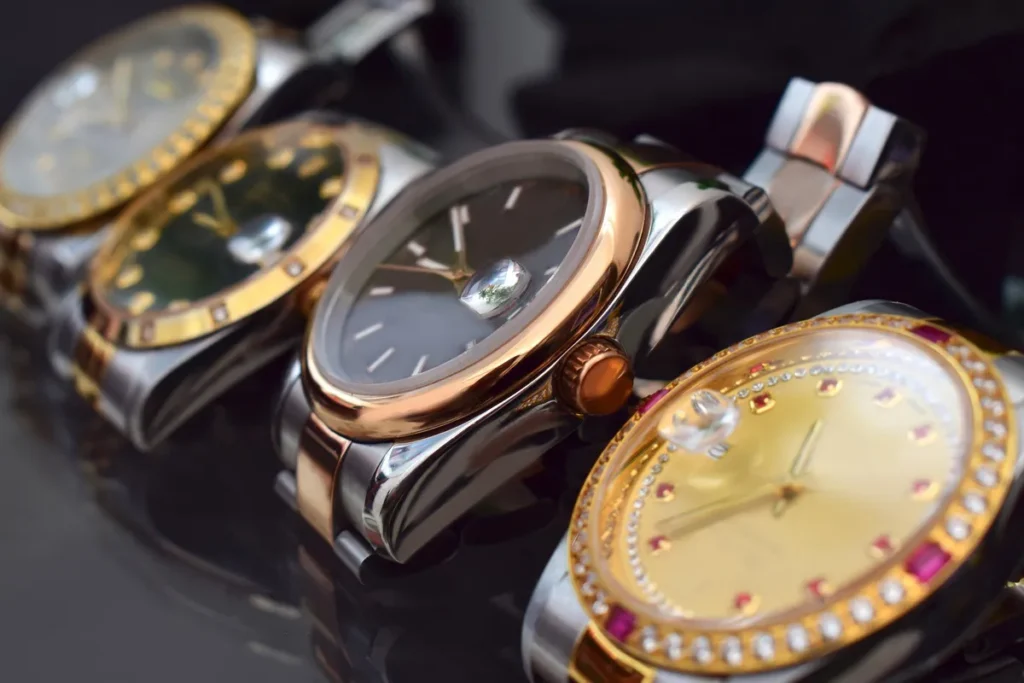
There’s a moment most Rolex owners recognize, you open the drawer, pick up the watch, and start wondering what it’s actually worth. If you’ve been thinking about how to sell my Rolex watch NYCyou’re not alone. The city has one of the most active pre-owned luxury watch markets in the country, and Rolex consistently sits at the top of the demand list. But knowing your watch has value and knowing how much value, and how to protect it through the selling process, are two very different things. Here’s what you need to understand before you walk into any buyer’s office.
Your Rolex Has a Story, and Buyers Are Reading Every Chapter
When a serious buyer examines your Rolex, they’re not just looking at the dial. They’re reading the entire history of the piece, the case condition, the bracelet wear, the crown, the crystal, even the way the clasp closes. Every detail tells them something about how the watch was treated, and that story directly affects what they’re willing to pay.
This is why so many sellers are surprised when they receive an offer lower than what they expected based on a quick online search. Reference prices you find on resale platforms often reflect watches in exceptional condition, with full documentation, original box, and service history intact. If your watch is missing any of those elements, the number adjusts accordingly.
That doesn’t mean you’re out of luck. It means you need to go in with accurate expectations, and ideally, a bit of preparation. Before you commit to any transaction, it’s worth reading up on what to know about selling a Rolex as an NYC sellerbecause the local market has specific dynamics that can work in your favor if you understand them.
The Box and Papers Debate, Does It Really Matter That Much?
Short answer: yes, but not as dramatically as some people fear. The original box and papers, what collectors call “full set”, can add meaningful value to a sale, sometimes in the range of 10 to 20 percent depending on the model and age. But plenty of Rolexes sell every day without them, and buyers who specialize in pre-owned timepieces know exactly how to price a watch regardless.
What matters more than the box is the condition of the watch itself. A Submariner in excellent mechanical and cosmetic shape without papers will almost always outperform a poorly maintained example that comes with a full set. Buyers aren’t collecting cardboard, they’re buying the watch.
One thing that does carry real weight is service history. If you’ve had your Rolex serviced by an authorized dealer or a reputable watchmaker, and you have documentation to prove it, that’s a genuine selling point. It tells the buyer the movement has been properly maintained and reduces their risk. If you’re unsure whether to invest in any repairs or servicing before selling, this guide on essential repairs before selling your Rolex breaks down exactly what’s worth doing and what isn’t.
Why the Model You Own Changes Everything About the Conversation
Not all Rolexes are created equal in the resale market. A stainless steel sports model, think Submariner, GMT-Master II, or Daytona, consistently commands strong demand and competitive offers. These are the watches collectors actively pursue, and that competition among buyers tends to push prices up.
Dress watches like the Datejust or Day-Date in yellow gold occupy a different corner of the market. They’re valuable, but the buyer pool is narrower, and pricing can be more sensitive to condition and configuration. Two-tone models, certain dial colors, and specific bracelet types all influence where a watch lands on the value spectrum.
Vintage Rolexes are their own category entirely. Age alone doesn’t guarantee premium pricing, originality does. A vintage Submariner with a re-dialed face or replaced hands loses a significant portion of its collector value. Buyers who work with vintage pieces know exactly what to look for, and originality is the single most important factor in that segment of the market.
The team at NYC Watch Buyersbased in Manhattan, works with all of these categories daily. Their experience across the full range of Rolex models means they can give you a realistic, informed offer rather than a generic number pulled from a price list.
The Fastest Way to Leave Money on the Table
Sellers consistently lose value in one of three ways: they go to the wrong buyer, they accept the first offer without comparison, or they sell at the wrong time. All three are avoidable.
Going to a pawn shop or a general jewelry buyer instead of a specialist is the most common mistake. General buyers apply broad discounts because they’re not confident in their ability to resell a luxury timepiece quickly. A specialist buyer, one who deals exclusively or primarily in watches, has an established customer base and can offer more because they carry less risk.
Accepting the first offer without any context is equally costly. You don’t need to turn the process into an exhausting auction, but getting at least one or two evaluations gives you a baseline for what’s reasonable. Most reputable buyers in NYC will provide a no-obligation appraisal, so there’s no reason not to use that to your advantage.
Timing plays a role too, though it’s often overstated. The pre-owned Rolex market is relatively stable compared to other luxury goods, but there are periods when demand spikes, particularly around the holidays and in spring. If you’re not in a rush, a little patience can make a real difference. For a deeper look at how timing affects your outcome, this piece on why timing can make or break your decision to sell is worth your time.
Sellers who come in prepared, knowing their model, understanding its condition honestly, and having done a bit of research, consistently walk away more satisfied with the process. That’s not a coincidence. It’s the difference between reacting to an offer and understanding whether it’s actually fair.
Frequently Asked Questions
How much does having the original box and papers actually add to what I’ll get for my Rolex in NYC?
Based on what buyers in this market typically see, a full set, original box and papers, can add somewhere in the range of 10 to 20 percent depending on the model and how old it is. That said, the condition of the watch itself carries more weight than the packaging; a well-maintained Submariner without papers will almost always bring more than a neglected one that comes with the full set. If you don’t have the box or papers, don’t let that stop you from getting an appraisal, specialist buyers price watches without them every day.
I have a vintage Rolex, does being older automatically make it worth more?
Not necessarily, and this is one of the more common misconceptions sellers bring in. In the vintage segment, originality matters far more than age alone, a Submariner with a re-dialed face or replaced hands loses a significant portion of its collector value, regardless of how old it is. Buyers who work with vintage pieces specifically know what to look for, so any alterations will be caught during the evaluation.
Is it worth getting my Rolex serviced before I bring it in to sell?
It depends on the situation, and there’s no single answer that fits every watch. If you have existing documentation from a previous service at an authorized dealer or reputable watchmaker, that paperwork is a genuine selling point because it reduces the buyer’s risk and demonstrates the movement has been properly maintained. Whether to spend money on new repairs before selling is a separate question, the article points to a dedicated guide on that topic, because some repairs help your number and others don’t come close to paying for themselves.
Why would a pawn shop or jewelry store give me less than a watch specialist for the same Rolex?
General buyers apply broader discounts because they’re not confident they can resell a luxury timepiece quickly, they don’t have an established customer base for it, so they build that uncertainty into their offer. A specialist buyer who deals primarily in watches carries less risk because they know the market and already have buyers looking for specific models. That difference in risk directly translates into a higher offer from the specialist.
Do I really need to get more than one offer, or is that just extra hassle?
Getting at least one or two evaluations gives you a real baseline for what’s reasonable, which is the only way to know whether any single offer is actually fair. Most reputable buyers in NYC will do a no-obligation appraisal, so there’s no cost to the comparison and no commitment required. Sellers who skip this step and accept the first number they hear are one of the most consistent examples the article points to of leaving money on the table.