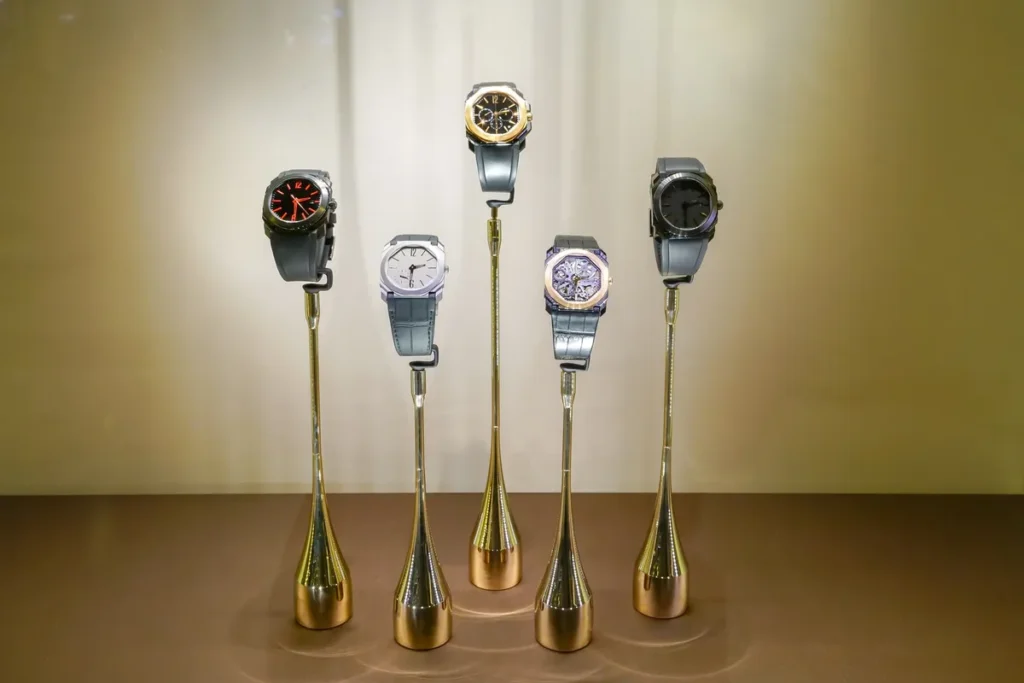
Every week, people walk into watch buying offices across the city hoping to turn a timepiece into cash, and too many of them leave money on the table. If you’re looking to sell watches in NYCthe process seems straightforward until it isn’t. The city’s market is competitive, fast-moving, and full of buyers who know exactly what they’re doing. The sellers who come in unprepared? They’re the ones who regret it later.
Going In Blind Without Knowing What You Actually Have
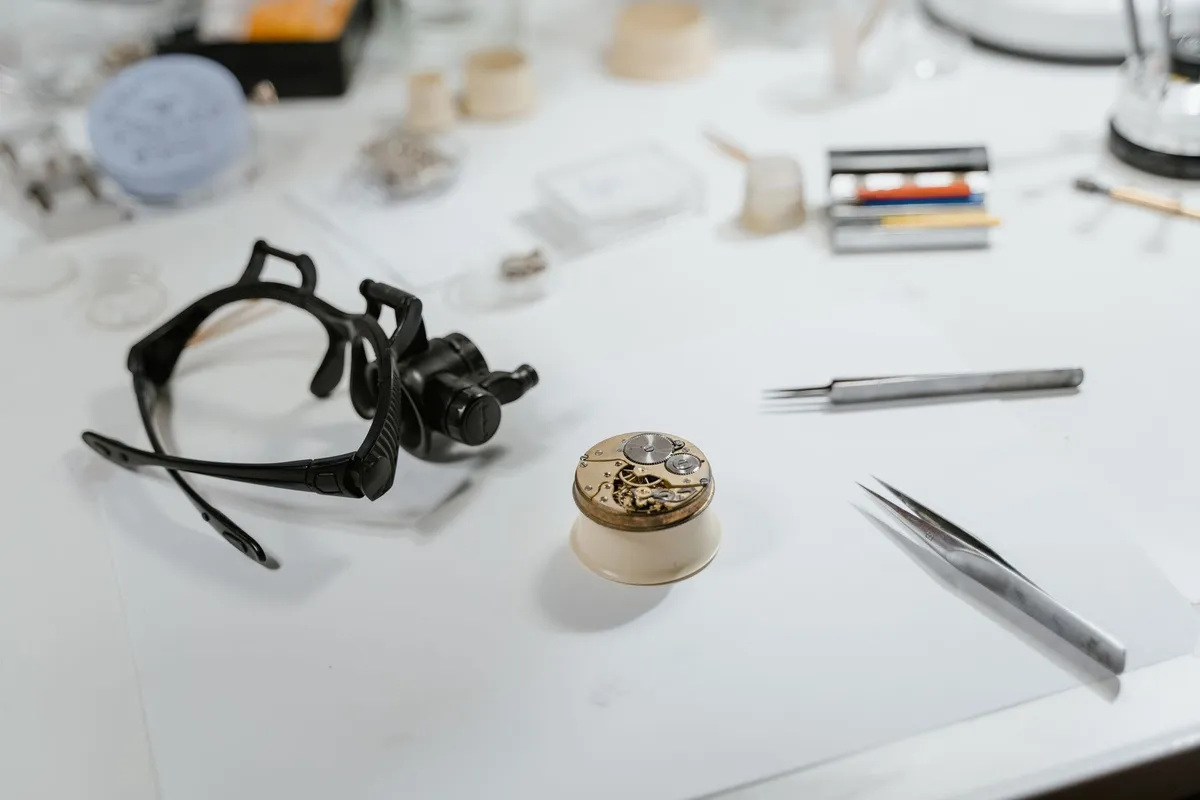
This is the most common mistake, and it’s an expensive one. A surprising number of people have no idea what their watch is worth before they sit down across from a buyer. They inherited a Rolex from a grandparent, found an old Omega in a drawer, or bought a Patek Philippe years ago and never thought much about it since. Then they accept the first number thrown at them because they have no frame of reference.
Before you meet with anyone, do your homework. Check recent sold listings on platforms like Chrono24 or WatchBox. Look at auction results for your specific reference number, not just the brand. A Rolex Daytona in stainless steel and a Rolex Datejust in yellow gold from the same decade can have wildly different values. The model, the dial color, the bracelet condition, and even the year of production all matter more than most sellers expect.
If you want a deeper breakdown of what drives value before you go anywhere, this guide on the five essential steps to maximize your return is worth reading first. It lays out exactly what buyers are evaluating when they look at your piece.
Letting Sentiment Set the Price
There’s a real emotional pull when you’re selling something that belonged to someone you loved. That’s completely understandable. But the market doesn’t factor in the story behind a watch, only its condition, provenance, and demand. Sellers who anchor their expectations to sentimental value almost always end up frustrated, either by accepting less than they hoped or by walking away from a fair offer and holding onto a watch that continues to depreciate.
The professional buyers at NYC Watch Buyers hear this story regularly. And the feedback from people who’ve worked with experienced local buyers is telling, the ones who come in with realistic expectations and original documentation consistently walk away satisfied. The ones who come in emotionally attached to a number they invented tend to leave disappointed.
Separate the memory from the transaction. Keep a photo of the watch if it means something to you. Then let the market do what it does.
Skipping the Paperwork and Wondering Why the Offer Is Lower
Original box and papers. These four words carry serious weight in the secondary watch market. A Rolex Submariner with its original box, warranty card, and hang tags can fetch significantly more than the exact same reference without them. Buyers use documentation to verify authenticity, confirm production year, and reduce their own risk, and they price accordingly.
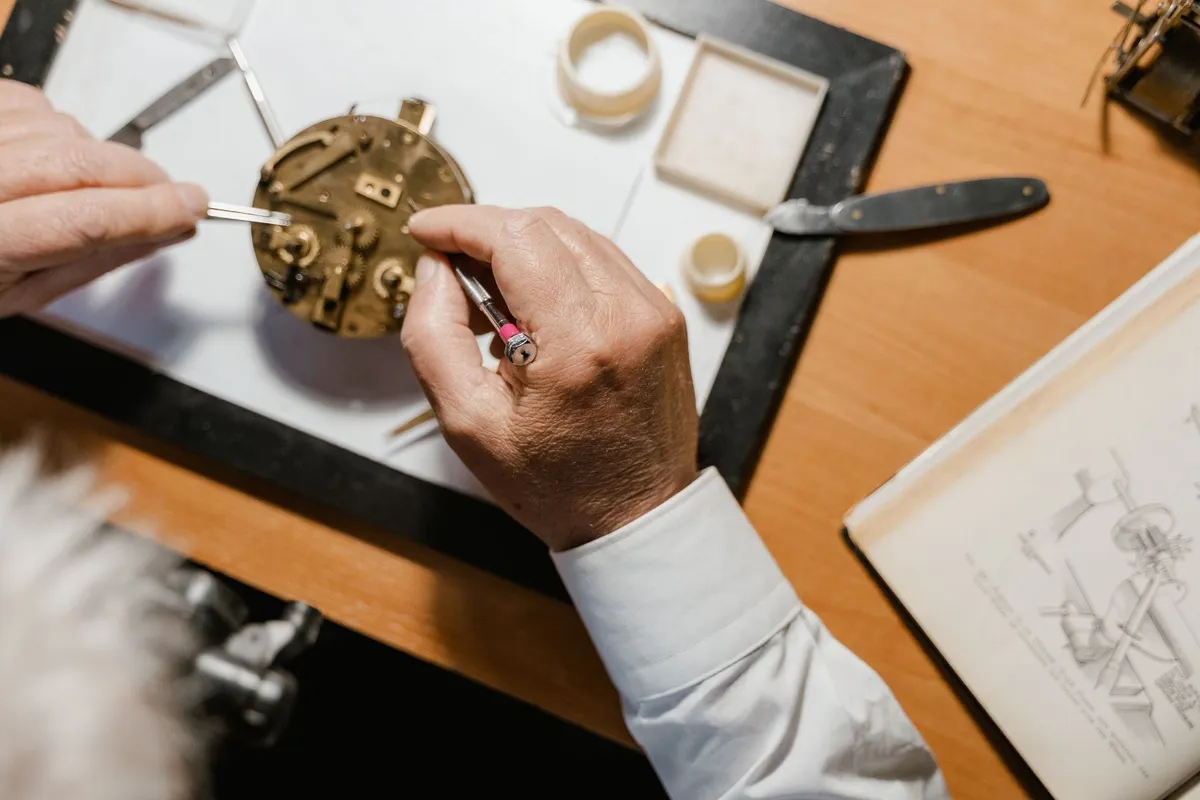
If you have paperwork somewhere in your home, find it before you go anywhere. Check old safe deposit boxes, filing cabinets, even the back of closet shelves. Service records matter too. A watch with a documented service history from an authorized dealer tells a buyer that the movement has been cared for, that’s worth something real.
Missing papers don’t kill a deal, but they do affect the offer. Knowing that going in helps you set realistic expectations rather than feeling blindsided at the table.
Timing also plays a bigger role than most people realize. If you want to understand how market cycles affect what you’ll be offered, this piece on timing and trends in the NYC watch market breaks it down clearly.
Trusting the Wrong Buyer Just Because They’re Convenient
Not all buyers are equal, and in a city this size, that gap can be significant. Pawn shops, casual online platforms, and unlicensed buyers may offer speed and convenience, but they’re rarely offering fair market value. They’re optimizing for their own margins, not yours.
The difference between a reputable specialist and a general pawn operation can be thousands of dollars on a high-value piece. A buyer who focuses exclusively on watches understands the nuances of the market in a way that a generalist simply doesn’t. They know which references are trending, which brands are cooling off, and what collectors in the current market are actually paying.
NYC Watch Buyers has built its reputation on transparency and fair offers, something that comes through clearly from the people who’ve worked with them. Sellers consistently mention feeling respected and informed throughout the process, not pressured or rushed. That matters when you’re making a decision about something valuable.
Do a little research before you commit to anyone. Look at reviews, check how long they’ve been operating, and ask whether they specialize in watches or handle everything from electronics to jewelry. Specialization signals expertise, and expertise translates directly into better offers for you.
The city moves fast. Buyers in this market are sharp. The sellers who do well are the ones who show up prepared, realistic, and working with someone who actually knows what they’re looking at. Avoid these mistakes and you’re already ahead of most people who walk through the door.
Frequently Asked Questions
How do I find out what my watch is actually worth before meeting with a buyer in NYC?
Check recent sold listings on platforms like Chrono24 or WatchBox, and look up auction results using your specific reference number, not just the brand name. A Rolex Daytona in stainless steel and a Rolex Datejust in yellow gold from the same era can have dramatically different values, so the model, dial color, bracelet condition, and production year all matter. Going in with that research done gives you a real frame of reference so you’re not accepting a number with nothing to compare it against.
Does it really make a difference if I bring the original box and papers when I come in?
Yes, and the difference can be significant, a Rolex Submariner with its original box, warranty card, and hang tags can fetch noticeably more than the exact same reference without them. Buyers use that documentation to verify authenticity, confirm the production year, and reduce their own risk, and they price their offers accordingly. Before you go anywhere, check safe deposit boxes, filing cabinets, and the back of closet shelves, service records from an authorized dealer count too.
I inherited this watch and it has a lot of family history, will that affect what I’m offered?
The market doesn’t factor in the story behind a watch, only its condition, provenance, and current demand. Anchoring your expectations to sentimental value almost always leads to frustration, either by accepting less than you hoped or walking away from a fair offer while the watch continues to depreciate. Keep a photo if it means something to you, then let the market work the way it works.
Why shouldn’t I just take my watch to the nearest pawn shop to get a quick offer?
Pawn shops and general buyers are optimizing for their own margins, not yours, and on a high-value piece that gap can run into thousands of dollars. A buyer who deals exclusively in watches understands which references are trending, which brands are cooling off, and what collectors are actually paying right now, a generalist simply doesn’t have that knowledge. Checking how long a buyer has been operating and whether they specialize in watches specifically is worth the extra time before you commit.
Does the time of year or current market conditions affect what I’ll be offered for my watch in NYC?
Yes, market cycles play a real role in what buyers are willing to pay at any given moment, which is something most sellers don’t think about until they’re already at the table. Certain references and brands move in and out of demand, and a buyer who’s active in the market daily will price offers based on what collectors are paying right now. The article points to a dedicated breakdown of timing and trends in the NYC watch market if you want to understand how to factor that into your decision.