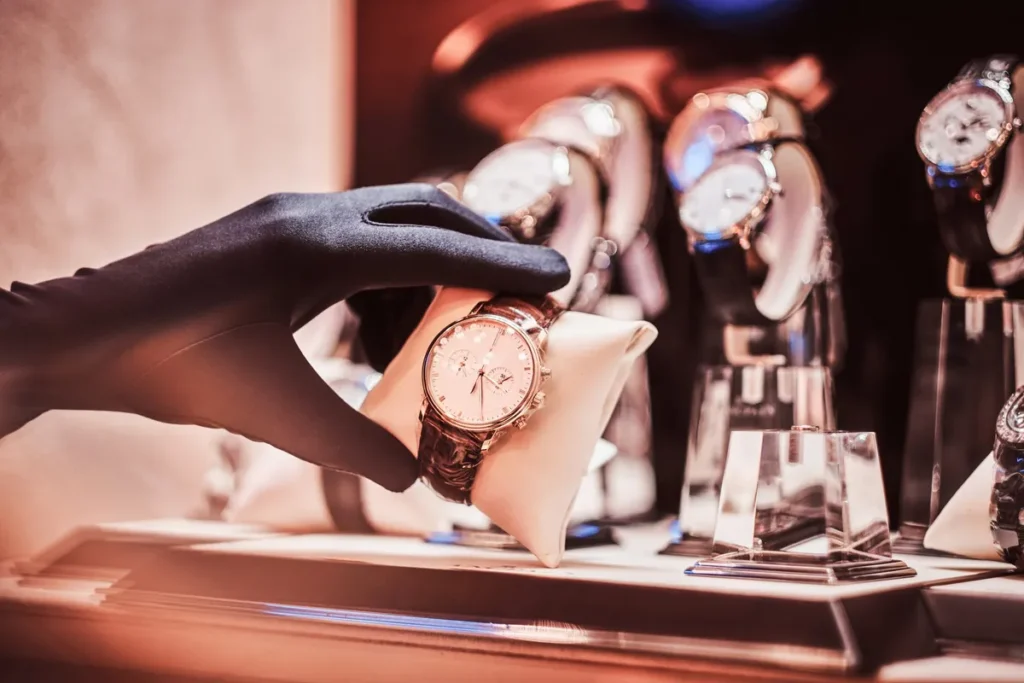
If you’ve been thinking about how to sell pre-owned Rolex watches in NYC, you’re not alone, and the timing has rarely been better. The resale market for luxury timepieces in this city is active, competitive, and full of buyers who know exactly what they want. That’s good news for sellers, but only if you walk in prepared. Too many people leave money on the table simply because they didn’t know what questions to ask or what details actually move the needle on price.
Your Watch Has a Story, Buyers Are Paying for the Whole Chapter
A Rolex is never just a watch. When a serious buyer looks at your piece, they’re evaluating everything: the model, the year, the condition, the dial originality, and yes, the paperwork. Original box and papers can meaningfully increase what you’re offered. We’re not talking about a small bump. On certain references, having the full set versus a watch-only scenario can be the difference of hundreds, sometimes thousands of dollars.
Service history matters too, but it’s a double-edged sword. A watch that’s been regularly serviced shows it was cared for. But if those services involved non-original parts, especially on the dial or hands, that’s a red flag for buyers who specialize in this market. Before you head anywhere to get an offer, take stock of what you have. Pull out whatever documentation came with the watch. Even a partial set of accessories adds credibility to the transaction.
For a deeper look at what documentation and condition details actually affect your offer, this breakdown on how condition affects value in the NYC market is worth reading before you make any moves.
The NYC Market Plays by Its Own Rules
Selling a luxury watch in New York is genuinely different from doing it anywhere else in the country. The density of knowledgeable buyers here is unusually high, which cuts both ways. On one hand, you’re more likely to find someone who truly understands what your specific reference is worth. On the other hand, you’re also more likely to encounter buyers who will low-ball you confidently, counting on the fact that most sellers don’t know the difference between a fair offer and a calculated one.
Online platforms have made it easier to get a rough sense of market value, but they can be misleading. Asking prices on resale sites are not the same as actual sale prices. And those platforms come with fees, wait times, and the real possibility that your watch sits unsold for months. Many sellers who’ve gone that route end up circling back to a direct buyer anyway, just with more frustration and less time.
Working with an established local buyer, one with real experience across Rolex references and a track record in the city, tends to produce faster, cleaner results. NYC Watch Buyers has been operating in this space long enough to know the difference between a Submariner that’s been over-polished and one that’s been properly maintained, and that knowledge shows up directly in the offer you receive.
What Actually Drives Your Final Number
People often assume the model name is everything. A Daytona is a Daytona, right? Not quite. The specific reference number, the dial variant, whether it’s stainless or two-tone, the bracelet condition, the clasp stamps, all of these details contribute to the final valuation. A Daytona with a tropical dial and original bracelet is a very different asset than a later production model with a replaced bracelet and a polished case.
Condition is probably the single most discussed factor, but originality runs a close second. Buyers who know this market well are looking for watches that haven’t been tampered with. Refinished dials, replaced hands, and aftermarket bezels all reduce value, sometimes dramatically. If your watch has had any work done beyond a standard movement service, be upfront about it. Trying to hide modifications rarely works with experienced buyers, and it can derail a deal entirely.
Timing also plays a role. Certain references trend up and down with collector interest and broader market conditions. If you’re curious about how to read those signals before deciding when to sell, this guide on timing and trends in the NYC watch market lays it out clearly.
How to Walk In and Walk Out Satisfied
The sellers who consistently get strong offers share a few common habits. They come in knowing their reference number. They bring whatever accessories they have, box, papers, hang tags, chronometer certificates. They’ve done enough research to have a realistic sense of value, not just a number they saw on a listing. And they’re willing to have a real conversation rather than treating the appraisal like an adversarial negotiation.
That last point matters more than most people expect. Buyers who specialize in this market aren’t trying to trick you, they’re trying to assess a piece accurately and make a fair offer quickly. Sellers who come in with an open mind and solid information almost always walk away feeling good about the process. The ones who come in with inflated expectations based on a single online listing tend to leave disappointed, regardless of the offer.
Do your homework, know what you have, and choose a buyer with real expertise in the NYC market. Those three things alone put you in a significantly stronger position than most people who walk through the door.
Frequently Asked Questions
How much of a difference does having the original box and papers actually make on what I’ll be offered?
On certain Rolex references, having the full set versus just the watch itself can mean hundreds to thousands of dollars more in your offer, it’s not a minor detail. Buyers in this market treat documentation as part of what they’re purchasing, not just a nice bonus. Even a partial set of accessories, like hang tags or a chronometer certificate, adds credibility and can nudge the number in your favor.
My Rolex has been serviced a few times over the years, does that help or hurt my chances of getting a strong offer?
Regular servicing shows the watch was cared for, which buyers generally view positively, but it depends entirely on what was done during those services. If the dial, hands, or other original parts were replaced with non-original components, that’s a red flag for experienced buyers and can reduce the offer significantly. Be upfront about any work beyond a standard movement service, buyers who know this market will spot modifications anyway, and trying to hide them can kill the deal.
I’ve been looking at resale prices online to figure out what my watch is worth, is that a reliable way to set my expectations?
Asking prices on resale platforms are not the same as actual sale prices, so using them as your benchmark can leave you with an inflated or inaccurate sense of value. Those platforms also come with fees, long wait times, and no guarantee your watch sells at all. A direct offer from an established local buyer gives you a real number based on what the market is actually doing, not what someone hopes to get.
Does it matter which specific Daytona or Submariner I have, or is the model name enough to determine value?
The model name is just the starting point, the reference number, dial variant, bracelet condition, clasp stamps, and whether the case has been polished all factor into the final number. A Daytona with a tropical dial and an original bracelet is worth considerably more than a later production model with a replaced bracelet and a refinished case. Knowing your exact reference number before you walk in puts you in a much stronger position during the appraisal.
Is there a risk that a buyer in NYC will low-ball me just because they assume I don’t know what my watch is worth?
Yes, the article is direct about this. The density of knowledgeable buyers in New York is high, and some will make a confident low offer counting on the fact that most sellers can’t tell the difference between a fair number and a calculated one. Doing enough research to have a realistic sense of value, and choosing a buyer with a real track record across Rolex references in this city, is the most reliable way to protect yourself from that situation.