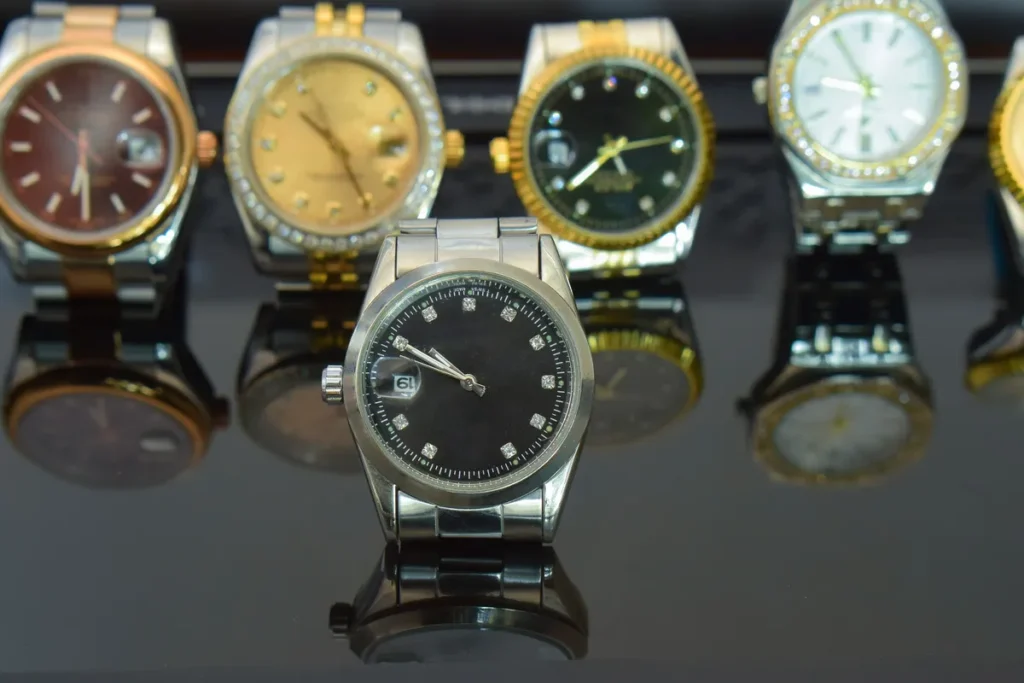
If you’ve been thinking about how to sell watches in NYC, you’re probably already aware that the difference between a good deal and a great one comes down to preparation. The city has no shortage of buyers, from midtown dealers to online platforms, but knowing how to position yourself before you walk through any door is what separates sellers who walk away satisfied from those who leave money on the table.
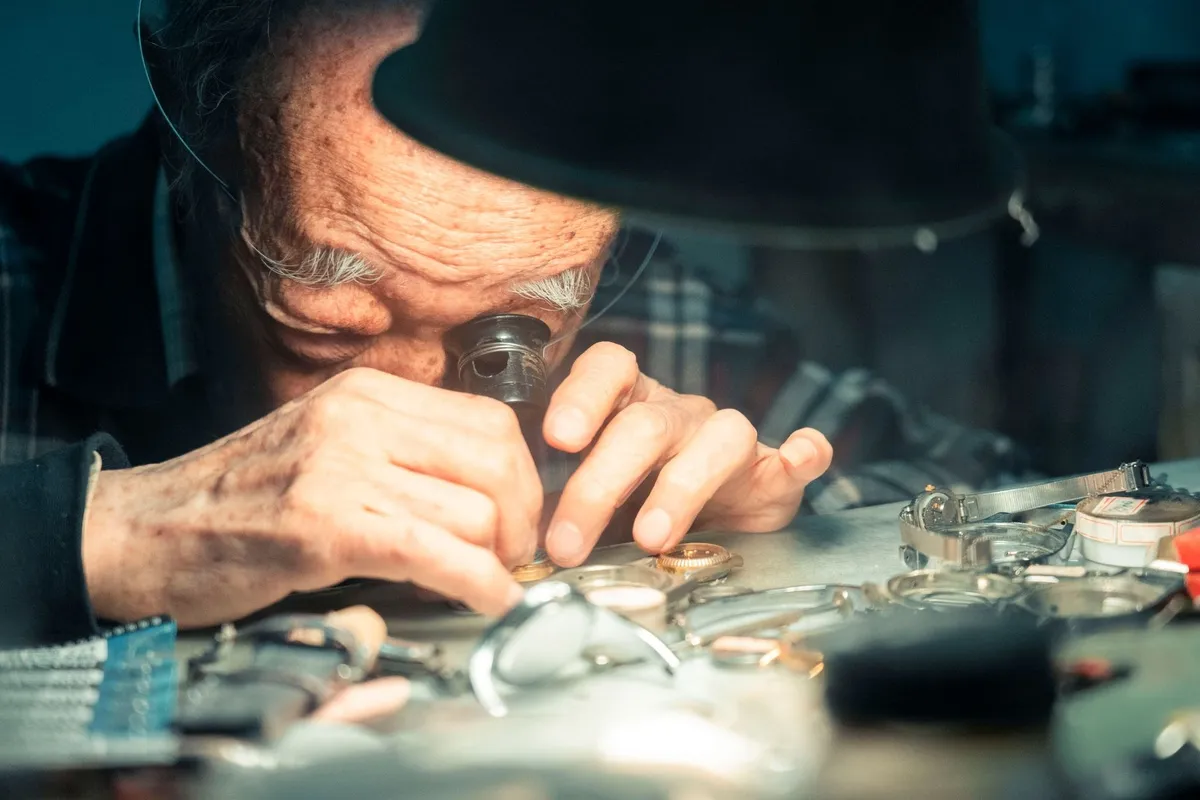
What’s Actually Sitting on Your Wrist (or in That Drawer)
Most people underestimate what they have. A watch that’s been sitting in a box for a decade might look like clutter, but to the right buyer, it could be a significant asset. Before anything else, take an honest inventory. Pull out the original box, the papers, any receipts or service records you’ve kept over the years. These aren’t just sentimental extras, they’re documentation that can meaningfully raise what a buyer is willing to offer.
Brand matters enormously, but so does model and reference number. A Rolex Submariner and a Rolex Air-King are both Rolexes, but they don’t command the same price in today’s market. The same logic applies to Patek Philippe, Audemars Piguet, Cartier, and other prestige names. If you want a deeper look at how to accurately assess your watch’s value before sellingit’s worth doing that homework before you get your first quote, not after.
Condition is the other major variable. Light scratches on a sports watch are often expected and don’t tank the value. But a cracked crystal, a broken clasp, or signs of water damage are different conversations. Buyers price risk into their offers, so anything that raises a red flag on their end lowers the number on yours.
The Timing Game Is Real, and Most Sellers Ignore It
There’s a reason experienced collectors pay attention to market cycles, and it’s not just because they enjoy reading watch forums. Demand for specific references shifts. When a particular model gets featured in a major film, wins a design award, or gets discontinued by the manufacturer, prices move. Sometimes quickly.
Right now, the secondary market for luxury timepieces remains strong in New York. Buyers are active, and certain references, particularly stainless steel sports watches and vintage dress pieces with provenance, are drawing serious interest. That doesn’t mean every watch is at peak value today, but it does mean that sitting on a quality piece and waiting for a “better time” is often a losing strategy. Markets don’t wait, and neither do motivated buyers.
If you’re curious about how seasonal trends and broader market forces affect what you’ll be offered, this guide on timing and trends in the NYC watch market breaks it down in practical terms.
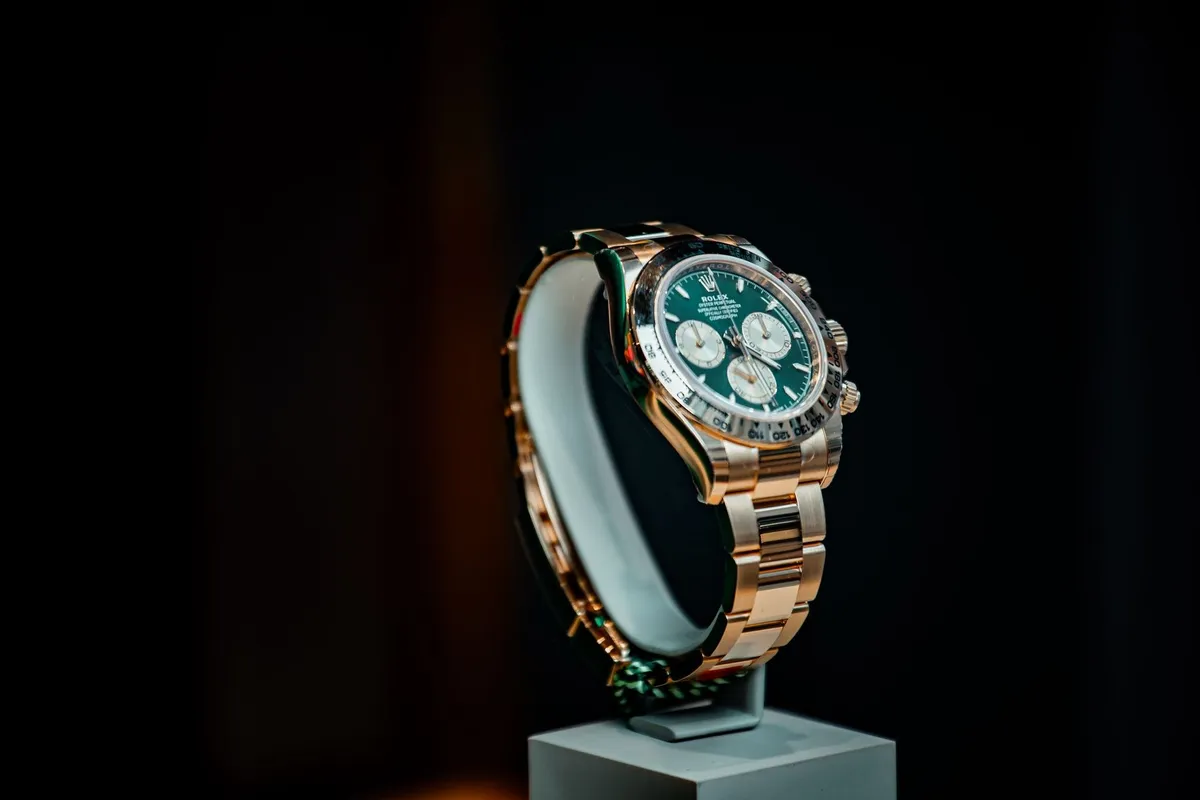
Where You Sell Matters as Much as What You’re Selling
This is where a lot of sellers make a costly mistake. They assume all buyers are roughly equivalent, that a pawn shop, an online auction, and a dedicated watch buyer will land in the same ballpark. They won’t.
Pawn shops are generalists. They deal in everything from guitars to gold chains, and watches are just another item on their list. Their offers reflect that. Online auction platforms can work for certain pieces, but they come with fees, shipping risks, fraud exposure, and the very real possibility that your watch sits unsold for weeks before you’re forced to drop the price.
A specialized watch buyer, particularly one with years of experience in the NYC market, operates differently. They know exactly what they’re looking at, they have direct relationships with collectors and dealers, and they don’t need to build a wide margin into every offer to protect themselves from uncertainty. NYC Watch Buyers has built its reputation on straightforward, transparent transactions. People who’ve worked with them often mention how different the experience feels compared to other options, no pressure, no lowball theatrics, just a fair assessment and a clear offer.
That transparency matters more than most sellers realize going in. When you’re dealing with a piece worth several thousand dollars, the difference between a buyer who knows their market and one who doesn’t can be significant, sometimes thousands of dollars significant.
Small Moves That Can Shift the Number in Your Favor
You don’t need to overhaul anything before selling, but a few practical steps can make a real difference. Clean the watch gently, not with harsh chemicals, just a soft cloth to remove surface grime and fingerprints. If the bracelet is stretched or the clasp is stiff, a quick service visit can be worth the cost if the watch is high-value. Gather every piece of documentation you have: warranty cards, hang tags, original receipts, service records from authorized dealers.
Think carefully before polishing the case. This is counterintuitive, but a watch with original brushed surfaces and honest wear often appeals more to serious buyers than one that’s been buffed to a mirror shine. Polishing removes metal and erases the history of the piece, and for vintage watches especially, that history is part of the value.
Get more than one offer. This isn’t about being difficult, it’s just smart. Knowing what multiple buyers are willing to pay gives you real data to work with, and a reputable buyer won’t be put off by the fact that you’ve done your research. If anything, it signals that you’re a serious seller who understands what they have.
The sellers who get the best outcomes are almost always the ones who showed up prepared. They knew their reference numbers, they had their paperwork, and they chose a buyer based on expertise rather than convenience. That combination, knowledge, documentation, and the right buyer, is what turns a decent transaction into a genuinely good one.
Frequently Asked Questions
Does having the original box and papers really make a noticeable difference in what I’ll be offered?
Yes, and the difference isn’t trivial, documentation like warranty cards, original receipts, and service records from authorized dealers can meaningfully raise what a buyer is willing to pay. They’re not just sentimental extras; they reduce the buyer’s uncertainty about the watch’s history and authenticity, which directly affects how they price their offer. Think of paperwork as proof of provenance, and treat it accordingly before you walk into any appointment.
Should I get the watch polished or serviced before bringing it in for a quote?
Skip the polish, this is one of the most common mistakes sellers make, especially with vintage pieces. Polishing removes metal and erases the original brushed surfaces, and serious buyers often prefer honest wear over a buffed-out case because the unaltered finish is part of what gives the watch its value. A light cleaning with a soft cloth is fine, but a service visit only makes financial sense if the watch is high-value and has a specific mechanical issue like a stretched bracelet or stiff clasp.
Why would a pawn shop offer less than a dedicated watch buyer, even for the same piece?
Pawn shops are generalists, they deal in guitars, gold chains, and everything in between, so watches are just another line item for them. Because they can’t accurately assess what a specific reference is worth in the current market, they build a wide margin into every offer to protect themselves from uncertainty. A specialized buyer with direct relationships in the NYC market doesn’t need that cushion, which is why their offers tend to land higher.
Is it worth waiting for a better time to get a higher price, or should I move now?
The article makes a clear point on this: markets don’t wait, and sitting on a quality piece hoping for a better moment is usually a losing strategy. Demand for specific references shifts based on things like discontinuations, cultural moments, and collector trends, none of which are predictable or patient. Right now, stainless steel sports watches and vintage dress pieces with provenance are drawing serious interest in New York, so if you have one of those, waiting carries real risk.
How many buyers should I approach before accepting an offer?
Getting more than one offer is just smart practice, it gives you real data rather than a single number you have no way to evaluate. A reputable buyer won’t be put off by the fact that you’ve shopped around; if anything, it signals that you know what you have. The sellers who come out ahead are almost always the ones who treated the process like a transaction worth preparing for, not a quick errand.