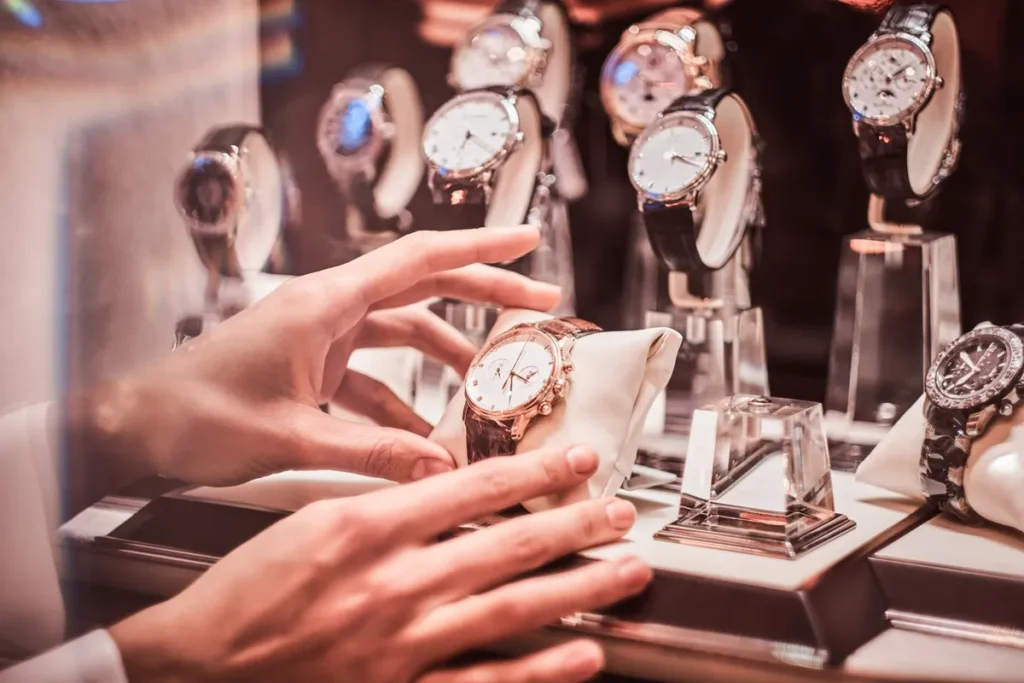
People decide to sell watch NYC for all kinds of reasons, and almost none of them are as simple as “I just need the cash.” Behind every timepiece that crosses a buyer’s desk is a story. A divorce. A career change. An inheritance from someone who passed. A collection that quietly grew too large. The decision to part with a watch is rarely just financial, and understanding that can actually help you approach the process with more clarity and get a better outcome.

When a Watch Stops Fitting the Life You’re Living
Tastes change. The chunky sports watch that felt essential at 35 might feel out of place at 50. The dress watch your father wore to every business meeting might not match your creative industry lifestyle. This is one of the most common, and most overlooked, reasons people decide to move on from a timepiece they once loved.
There’s nothing wrong with it. A watch is a personal object, and when it no longer reflects who you are, it tends to sit in a drawer. A watch sitting in a drawer is doing nothing for anyone. Selling it puts real money in your pocket and puts the piece in the hands of someone who will actually wear and appreciate it.
If this sounds familiar, it’s worth taking stock of your full collection before you act. A checklist approach, thinking through condition, documentation, and market timing, can make a real difference in what you walk away with. This guide on what to consider before selling is a practical place to start.
Life Events That Quietly Push the Decision
Some of the most emotionally complex sales come from life transitions. Divorce settlements. Downsizing after retirement. Settling an estate after a loved one passes. These situations put people in the position of valuing something they may have never chosen for themselves, or something they have deep personal attachment to.
In these cases, the emotional weight of the object can actually cloud the financial decision-making. People either hold on too long out of sentiment, or they rush the sale out of stress and end up with far less than the watch is worth. Neither outcome is ideal.
The best approach in these situations is to separate the emotional from the practical as much as possible. Get a real appraisal from someone who knows the current market. Understand what your piece is actually worth before you commit to any number. Many people who’ve worked with NYC Watch Buyers have said afterward that they wished they’d come in sooner, that having a professional conversation early in the process helped them think more clearly about what they actually wanted to do.
The Collector Who Needs to Edit
Serious collectors know this feeling well. At some point, a collection reaches a tipping point where it becomes more of a burden than a pleasure. Pieces stop getting worn. Insurance costs climb. Storage becomes a concern. The joy of acquisition starts to outweigh the joy of ownership.
Selling strategically, not out of desperation, but as a deliberate edit, is something experienced collectors do regularly. They fund new acquisitions by moving pieces that no longer fit the direction their collection is heading. A vintage Rolex Submariner might be sold to make room for a Patek Philippe that better reflects where their taste has evolved.
If you’re in this position, condition and documentation matter more than most people realize. A watch with its original box, papers, and service history commands meaningfully more than the same reference without them. How condition affects value is something worth understanding before you bring anything to market, small details can translate to significant differences in the final offer.
The Financial Motivation, And Why It’s Nothing to Be Embarrassed About
Sometimes the reason is straightforward. You need liquidity. A business opportunity came up. Medical expenses hit unexpectedly. A down payment on a property is within reach if you can free up some capital. A luxury watch sitting in a safe is a depreciating asset in most cases, or at minimum, an illiquid one. Turning it into cash when you need it is a smart financial move, not a sign of distress.
The key is making sure you’re not leaving money on the table in the process. Online platforms charge seller fees that eat into your return. Auction houses take commissions that can be substantial. Private sales take time and carry risk. A direct buyer who specializes in luxury timepieces, particularly one with deep experience in the New York market, typically offers a faster, cleaner transaction with a competitive number.
Whatever your reason for selling, the personal motivation behind it doesn’t change the fundamentals: know what you have, understand the current market, and work with someone who has the expertise to give you a fair assessment. The watch on your wrist, or sitting in that drawer, may be worth more than you think.
Frequently Asked Questions
I inherited a watch I have no connection to, is it worth getting it appraised before deciding what to do with it?
Yes, and the article specifically points to estate situations as ones where people tend to either hold on too long out of sentiment or rush into a sale and end up with far less than the piece is worth. Getting a real appraisal from someone who knows the current New York market gives you an actual number to make decisions around, rather than guessing. Having that conversation early in the process, before you’ve committed to anything, tends to lead to better outcomes, both financially and emotionally.
Does having the original box and papers actually make a meaningful difference in what a buyer will offer?
According to the article, yes, and the difference isn’t trivial. A watch with its original box, papers, and service history commands meaningfully more than the same reference without them, so it’s worth locating that documentation before you bring anything to a buyer. Small details in condition and paperwork can translate to significant differences in the final offer.
Why would selling directly to a local NYC buyer be better than using an online platform or auction house?
The article lays out the costs clearly: online platforms charge seller fees that cut into your return, and auction houses take commissions that can be substantial. A direct buyer who specializes in luxury timepieces in New York typically offers a faster, cleaner transaction without those layers of cost eating into what you walk away with. For someone who needs liquidity quickly, that speed and simplicity matters as much as the number itself.
I have several watches I’m thinking about moving, should I evaluate the whole collection at once or go piece by piece?
The article suggests taking stock of your full collection before you act, rather than making decisions on individual pieces in isolation. Experienced collectors regularly do deliberate edits, moving pieces that no longer fit where their taste is heading in order to fund acquisitions that do. Thinking through condition, documentation, and market timing across everything you own gives you a clearer picture of what to prioritize.
Is it common for people in NYC to part with a watch for purely financial reasons, or does there usually have to be some other motivation?
The article is direct about this: sometimes the reason is straightforward, a business opportunity, unexpected medical expenses, or a down payment that’s within reach if you can free up capital. A luxury watch sitting in a safe is either depreciating or at minimum illiquid, and turning it into cash when you need it is described as a smart financial move, not a sign of distress. There’s no single “right” reason to move a timepiece, what matters is knowing what you have and working with someone who can give you a fair assessment of it.