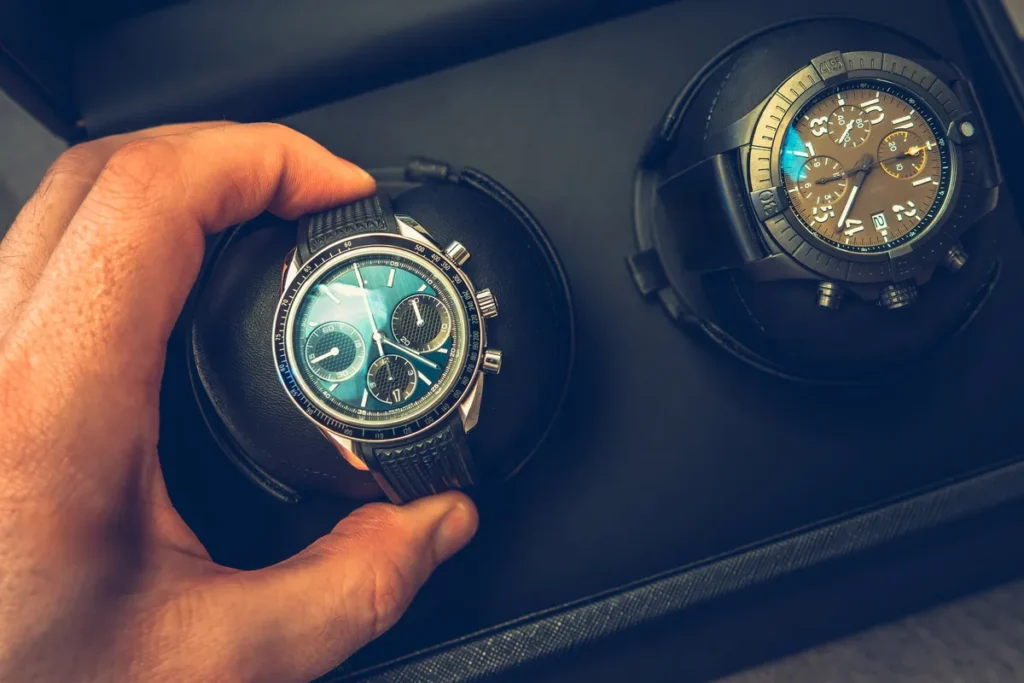
There’s a reason Patek Philippe sits at the top of every serious collector’s wish list, and why people who decide to sell Patek Philippe in NYC often walk away with more money than they expected. These watches aren’t just luxury items. They’re financial assets that hold, and frequently grow, their value over time. But getting the best possible return isn’t automatic. The price you’re offered depends on a specific set of factors, and knowing what drives that number puts you in a far stronger position before you ever sit down with a buyer.
The Reference Number on Your Watch Matters More Than You Think
Not all Patek Philippe watches are created equal in the resale market. The model reference is one of the first things any serious buyer looks at, and for good reason. Certain references carry enormous premiums because of their history, scarcity, or the community of collectors chasing them.
The Nautilus, particularly the 5711, became something of a cultural phenomenon before Patek discontinued it. Demand far outpaced supply for years, and that gap pushed resale prices well beyond retail. The Aquanaut, the Calatrava, and complicated pieces like the perpetual calendar or minute repeater references each have their own collector base and pricing logic. A watch that looks similar on the surface can command a wildly different price depending on its reference number and production year.
If you’re not sure which reference you have, look at the caseback or the original paperwork. That number tells a buyer a great deal about what they’re looking at, and it should tell you something too before you set your expectations.
Condition Is the Conversation Nobody Wants to Have, But Has To
Patek Philippe watches are built to last generations, and many sellers come in with pieces that have been worn daily for decades. That’s not necessarily a problem, but condition directly shapes the offer you’ll receive. Scratches on the case, a stretched bracelet, a crystal with deep scuffs, these details get factored in.
Polishing sounds like a simple fix, but it’s actually a double-edged issue. An over-polished Patek loses the sharp edges and original finishing that collectors prize. A watch that’s been heavily buffed can actually fetch less than one with honest wear and original surfaces intact. This surprises a lot of sellers, but it’s consistent across the market.
Service history matters too. A watch that’s been regularly serviced by an authorized center, with documentation to prove it, signals to a buyer that the movement is in good working order. If you’ve had work done, gather those records. They add credibility and value to the transaction. For a deeper look at how physical condition shapes what buyers are willing to pay, this breakdown of how condition affects value in the NYC market is worth reading before you meet with anyone.
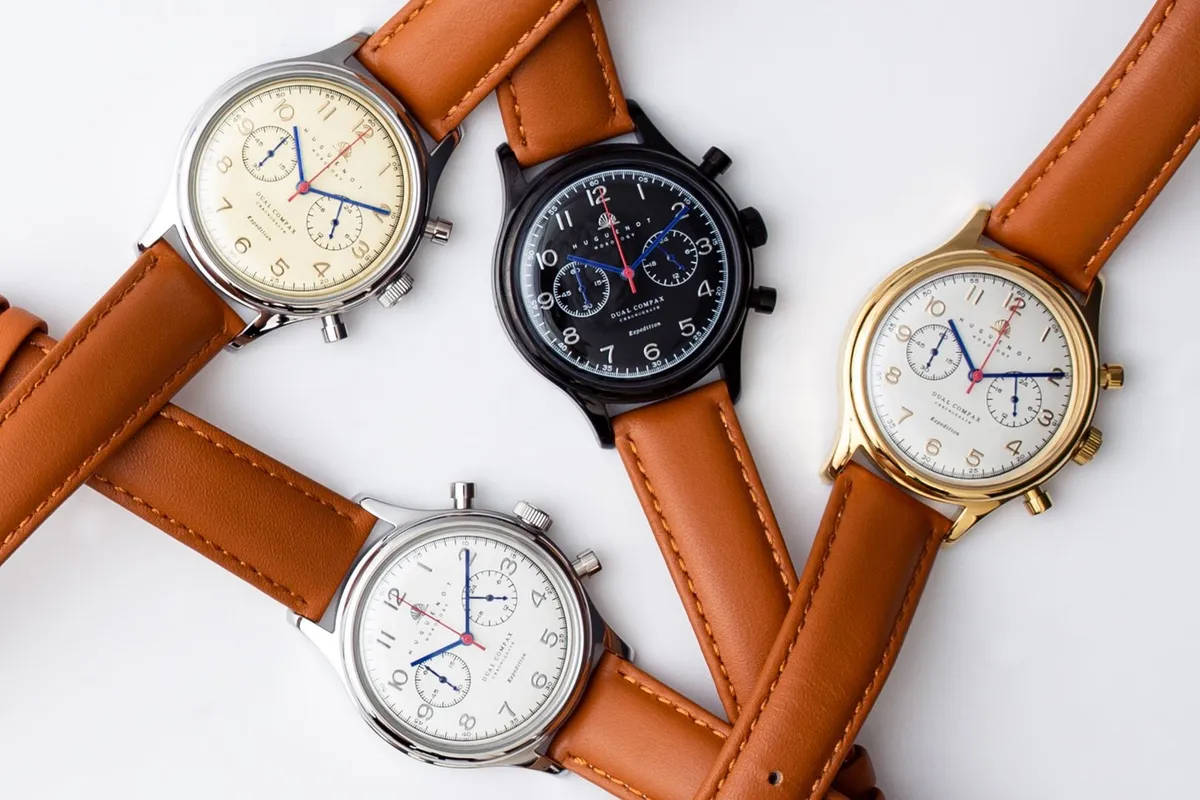
Original Parts and Paperwork Are Worth Real Money
The watch industry has a phrase for a complete set: box and papers. For Patek Philippe, having the original box, the certificate of origin, hang tags, and any additional links for the bracelet can meaningfully increase what a buyer offers. It sounds almost bureaucratic, but these items confirm authenticity, establish provenance, and make the watch easier to resell, which is exactly what a buyer is thinking about.
Missing papers don’t disqualify a watch from being sold, but they do affect the price. A buyer takes on more risk when documentation is absent, and that risk gets priced in. If you’ve moved, stored the watch for years, or inherited it, dig through whatever paperwork came with it. Even a partial set, just the box, or just the certificate, adds something to the equation.
Original dials and hands are another consideration. Patek watches that have had dials refinished, hands replaced, or non-original parts fitted are worth less to collectors who care about authenticity. If you know your watch has had any modifications, be upfront about it. A reputable buyer will find out anyway, and transparency makes the whole process cleaner.
Where You Sell Is as Important as What You’re Selling
This is the part that often gets overlooked. The same watch can generate very different offers depending on who’s making them. Online auction platforms, pawn shops, and private sales all come with their own trade-offs, fees, delays, security risks, and buyers who may not fully understand what they’re looking at.
Working with an established local buyer in NYC changes that dynamic. The team at NYC Watch Buyers specializes in high-end timepieces and brings genuine market knowledge to every appraisal. Sellers who’ve gone through the process consistently mention how straightforward and transparent the experience felt, no pressure, no lowball tactics, just a fair assessment based on real market data.
NYC’s watch market is also uniquely active. The concentration of collectors, dealers, and serious buyers in this city means demand for premium references stays strong year-round. That competitive environment tends to work in a seller’s favor, especially for sought-after Patek models. Before you commit to any channel, it’s worth understanding the key steps to maximizing your return when selling a watch in NYCsmall decisions made early in the process can have a real impact on the final number.
Patek Philippe holds its value for a reason. The brand’s reputation, craftsmanship, and limited production all work in your favor as a seller. But extracting that value requires knowing what drives the price, and working with someone who actually understands the market you’re selling into.
Frequently Asked Questions
Does it hurt my offer if I had my Patek Philippe polished before bringing it in?
It can actually lower what a buyer offers you, which catches a lot of sellers off guard. Over-polishing removes the sharp edges and original finishing that collectors specifically look for, so a heavily buffed watch can fetch less than one with honest wear and untouched surfaces. If you’re thinking about cleaning up the watch before an appraisal, leave the polishing alone.
I inherited a Patek Philippe and have no paperwork at all, is it even worth trying to sell it in NYC?
Yes, missing papers don’t disqualify a watch from being sold, but they do affect the price because a buyer takes on more risk without documentation to confirm authenticity and provenance. Even a partial set, just the original box, or just the certificate, adds something back to the equation, so dig through whatever came with the watch before assuming you have nothing. A reputable buyer will still make an offer; it just gets priced differently than a complete set would.
How much does the specific reference number actually affect what I get paid?
It’s one of the first things a serious buyer looks at, and the difference between references can be significant, two watches that look nearly identical can command very different prices based on that number alone. The 5711 Nautilus, for example, was discontinued and had demand far outpacing supply for years, pushing resale prices well beyond what the watch originally sold for at retail. If you don’t know your reference number, check the caseback or original paperwork before you set any price expectations.
My Patek has had the dial refinished and some parts replaced, should I mention that upfront?
Yes, and a reputable buyer will find out regardless, so being upfront makes the whole process cleaner and builds credibility. Non-original dials, refinished surfaces, or replaced hands are worth less to collectors who care about authenticity, and that gets factored into the offer. Hiding it doesn’t help you, it just creates friction and can kill the deal later.
Why would selling through a local NYC buyer get me more than going through an online auction platform?
Online platforms come with fees, delays, and buyers who may not fully understand what they’re looking at, all of which eat into your final number. NYC’s watch market is unusually active, the concentration of collectors and serious buyers in the city keeps demand strong year-round, which tends to work in a seller’s favor for sought-after references. A local buyer who specializes in high-end timepieces also brings real market knowledge to the appraisal, rather than a generic estimate based on incomplete data.