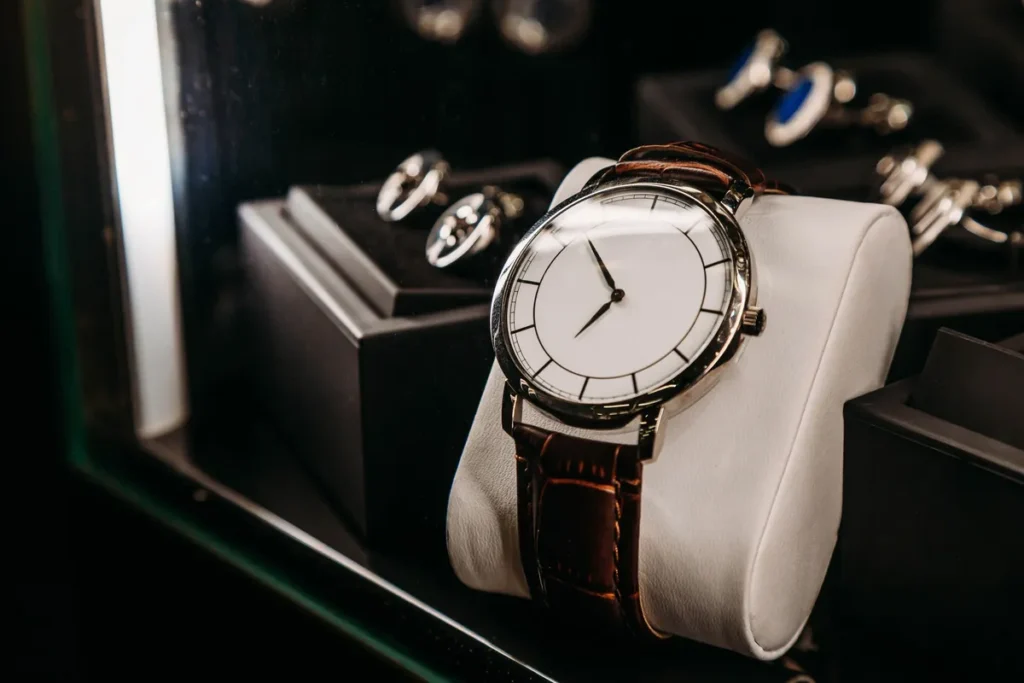
There’s a reason people hold onto Cartier watches longer than almost any other luxury brand, and there’s an equally good reason why, when they finally decide to sell cartier watch NYC, the experience tends to go smoother than they expected. Cartier occupies a unique space in the luxury market. It’s not purely a watchmaker. It’s a jewelry house with over 175 years of heritage, and that distinction matters enormously when it comes time to put a price on what’s sitting in your drawer.
The Brand That Doesn’t Behave Like Other Watch Brands
Most luxury watch brands live and die by their mechanical credentials. Cartier plays by different rules. The Santos, the Tank, the Ballon Bleu, these are cultural icons as much as they are timepieces. Buyers aren’t just purchasing a watch movement; they’re purchasing a piece of design history that has appeared on the wrists of royalty, artists, and heads of state for generations.
What this means practically is that Cartier holds its value through aesthetic appeal and brand recognitionnot just horology specs. A Tank from the 1970s with a simple quartz movement can still fetch serious money because of what it represents visually and culturally. That’s genuinely unusual in the secondary market, where mechanical complexity usually drives price.
Before you bring your piece in for an appraisal, it’s worth spending a few minutes on how to accurately assess value before selling a watch. Knowing roughly where your piece stands gives you a realistic baseline and prevents you from either underselling or walking away from a fair offer unnecessarily.
What Actually Moves the Needle on Price
Not all Cartier pieces are created equal in the resale market, and understanding the difference can be worth hundreds, sometimes thousands, of dollars.
Model matters more than age. The Ballon Bleu and Santos consistently outperform older, rarer models simply because demand is higher. Collectors know what they want, and they want pieces they recognize. A lesser-known reference from the 1980s might be technically more interesting but harder to move.
Condition is critical, but not in the way most people assume. Cartier buyers are often more forgiving of light wear than, say, Rolex buyers, because the jewelry-house aesthetic means a few marks read as character rather than damage. That said, significant scratches on the case or crystal, missing crown guards, or a stretched bracelet will pull the number down noticeably. If your piece needs minor attention before you sell, take a look at these simple improvements that can increase a watch’s valuesome of them cost almost nothing and make a real difference in how a buyer perceives the piece.
Documentation adds real money. Original box, papers, warranty cards, receipts, anything that proves provenance and authenticity gives a buyer confidence and gives you leverage. If you have them, bring them. If you’ve lost them over the years, don’t panic; a reputable buyer will still make a strong offer based on the watch itself, but expect the number to reflect the missing paperwork.
Diamonds and precious metal dials change the equation entirely. Cartier produces an enormous range of gem-set and special-edition pieces. If yours falls into that category, the appraisal process becomes more nuanced because the buyer needs to evaluate both the watch and the stones. A buyer with experience across both categories, watches and fine jewelry, will give you a more accurate number than someone who only knows one side of the market.
Why Selling in New York Gives You a Real Advantage
The secondary luxury market in New York City is simply more active than almost anywhere else in the country. There are more buyers, more competition among dealers, and more transactions happening on any given day. That competition works in your favor.
Sellers who come to NYC Watch Buyers often mention being surprised by how straightforward the process was, no pressure, no lowball games, just a direct conversation about what the piece is worth and what they’d receive for it. That kind of transparency is what you should expect from any serious buyer, and it’s what separates the professionals from the opportunists.
One thing worth knowing: the NYC market moves fast. Cartier demand has been particularly strong over the past few years as younger buyers have embraced the brand’s design-forward identity. Timing isn’t everything, but it’s not nothing either. If you’re on the fence about whether now is the right moment, it’s genuinely worth reading about timing and trends in the NYC watch market before making a decision.
The Mistakes That Cost Cartier Sellers the Most
People make the same errors repeatedly, and they’re almost always avoidable.
The biggest one is going to a general pawn shop or a buyer who doesn’t specialize in luxury watches. Cartier’s value is brand-specific. A buyer who doesn’t understand the model hierarchy, the production history, or the current collector demand will simply offer less, not because they’re dishonest, but because they don’t know better and they’re pricing in their uncertainty.
The second mistake is selling too quickly without getting more than one opinion. Even if you’re in a hurry, a second appraisal takes an hour and can reveal a meaningful difference in offers. Reputable buyers won’t pressure you to decide on the spot, and if someone is pushing you hard to sign something immediately, that’s a signal to slow down.
The third mistake is overlooking the full picture of what you have. If your Cartier has original accessories, a complete set, or any provenance that connects it to a notable previous owner, mention it. Buyers who know the market will factor that in. Those who don’t will ignore it, and you’ll leave money on the table.
Cartier is one of those brands where doing a little homework before you walk through the door pays off in a very direct, measurable way. The more you understand about what you have, the better positioned you are to have a real conversation about its worth, and to walk away satisfied with the outcome.
Frequently Asked Questions
Does it matter if I’ve lost the original box and papers for my Cartier?
Missing paperwork will affect your offer, but it won’t disqualify you from getting a strong one, a reputable buyer will still appraise the watch itself and make an offer based on its condition, model, and demand. That said, the article is clear that original box, warranty cards, and receipts give a buyer confidence and give you real negotiating room, so if you have any of that documentation, bring everything you can find. Even a single receipt or service record helps establish provenance.
Why does a Ballon Bleu or Santos tend to get a better offer than an older, rarer Cartier reference?
It comes down to demand, not age or mechanical complexity, collectors in the current market want pieces they recognize, and the Ballon Bleu and Santos are the models they’re actively searching for. A lesser-known reference from the 1980s might be technically more interesting, but if buyers aren’t lining up for it, the price reflects that reality. Rarity alone doesn’t move the number up if the demand isn’t there to match it.
My Cartier has some light scratches, should I get it polished before bringing it in?
The article actually points out that Cartier buyers tend to be more forgiving of light wear than buyers of other luxury brands, because minor marks can read as character rather than damage on a jewelry-house piece. Where condition really starts pulling the price down is significant case scratches, a damaged crystal, missing crown guards, or a stretched bracelet, those are the things worth addressing. Before spending money on anything, check whether the improvement is likely to return more than it costs.
My Cartier is gem-set with diamonds, does that change how it gets appraised?
Yes, significantly. When a piece has diamonds or a precious metal dial, the buyer has to evaluate both the watch and the stones separately, which makes the appraisal more involved than a standard case. The article specifically warns that a buyer who only knows watches, and not fine jewelry, will give you a less accurate number, so it’s worth finding someone with experience across both categories before accepting any offer.
Is it really worth getting a second appraisal, or is that just extra time I don’t need to spend?
The article frames it plainly: even if you’re in a hurry, a second appraisal takes about an hour and can reveal a meaningful difference in what buyers are willing to pay. Any buyer who pressures you to decide on the spot before you’ve had a chance to think is a signal to slow down, not speed up. The NYC market has enough active buyers that getting one more opinion is rarely a wasted trip.