Most people who walk into a watch buyer’s office to sell Rolex in NYC have one thing in common, they wish they’d done a little more homework first. Not because they got taken advantage of, but because they simply didn’t know what they didn’t know. The Rolex market is layered, nuanced, and frankly more interesting than most sellers expect. A few key facts can mean the difference between a good offer and a great one.
Your Rolex Has a Story, And Buyers Are Paying for It
Here’s something that surprises a lot of first-time sellers: the paperwork that came with your watch may be worth real money on its own. Original boxes, warranty cards, hang tags, chronometer certificates, collectively called “full set” documentation, can add a meaningful percentage to your final offer. Some buyers have seen the difference between a “naked” Rolex and a fully documented one run into the hundreds, sometimes thousands, of dollars.
Why? Because serious collectors and secondary market dealers want provenance. They want to know the watch is exactly what it claims to be. A Submariner with its original box and papers from 2018 tells a cleaner story than one that arrives with nothing but a smile. Before you come in for an appraisal, dig through your closet, your safe, your junk drawer. That little green box might be sitting there doing nothing, and it’s worth more than you think.
If you’re not sure what to gather before your appointment, this checklist of what to consider before selling a watch lays it out clearly and saves you from showing up unprepared.
Condition Matters, But Not Always the Way You’d Expect
Here’s a myth worth busting: a polished Rolex is not always a more valuable one. In fact, for vintage and collector-grade pieces, an over-polished case can actually reduce the value significantly. Collectors prize original surfaces. The soft, worn edges on a 1960s Datejust tell an authentic story. When someone runs that watch through an aggressive polish to make it look “new,” they’re essentially erasing history, and experienced buyers notice immediately.
That said, general cleanliness matters. A watch that’s been worn and cared for reads very differently from one that’s been neglected. Scratches on the crystal, a stretched bracelet, or a damaged crown can all factor into what a buyer is willing to offer. The key is honest, minimal intervention, don’t try to make your watch look like something it isn’t.
Understanding exactly how physical condition translates to dollar value is something this breakdown of how condition affects watch value in the NYC market covers in real detail. Worth a read before you make any decisions about cleaning or servicing your piece.
The Model Name Isn’t the Whole Story
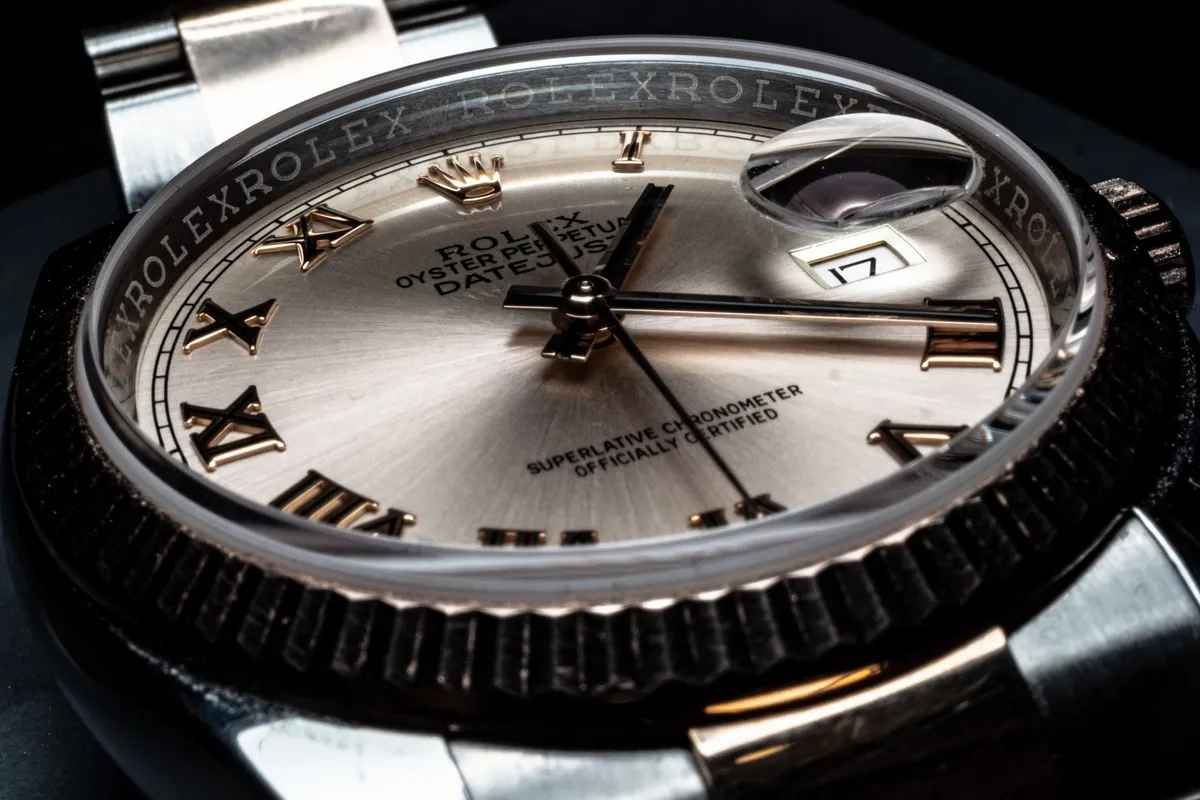
Not all Submariners are created equal. Not all Daytonas command the same price. Reference numbers, dial variations, bezel materials, bracelet types, and production years all play a role in determining what your specific watch is actually worth on the current market. A “no-date” Submariner and a date version can have very different valuations. A Paul Newman Daytona dial, even a damaged one, can be worth more than a pristine standard dial from the same era.
This is where sellers often leave money on the table. They know they have a Rolex GMT-Master, but they don’t know if they have a “Pepsi” bezel or a “Batman,” and they don’t realize that distinction matters enormously to the market right now. The secondary market for Rolex is driven by specificity. The more you know about exactly what you have, the better positioned you are to evaluate whether an offer is fair.
At NYC Watch Buyersthe team has spent years working through exactly these kinds of nuances, reference numbers, dial variants, bracelet codes, so sellers get an informed appraisal rather than a generic one. Many people who’ve come through the door have mentioned afterward that the process felt genuinely transparent, which is the kind of experience that matters when you’re handing over something valuable.
Timing the Sale Is a Real Strategy, Not Just a Cliché
The Rolex resale market moves. It’s not a static thing. During the pandemic years, secondary market prices for certain references hit historic highs. Since then, some models have corrected, while others have held strong or continued climbing. Knowing where the market stands when you’re ready to sell is a legitimate part of getting the best return.
Sports models, the Submariner, GMT-Master II, Daytona, tend to have the most active secondary markets and the most price sensitivity to trends. Dress watches like the Datejust or Day-Date are more stable but also more predictable. If you’re not in a rush, it can genuinely pay to watch the market for a few months before committing to a sale.
That doesn’t mean waiting forever. Holding a watch hoping for a price spike that may never come is its own kind of risk. The smarter move is to get a current appraisal from a reputable local buyer, understand what the market looks like today, and make an informed decision. Selling locally in New York also tends to move faster and with fewer complications than online platforms, no shipping risk, no escrow delays, no strangers showing up at your door.
The bottom line is this: a Rolex is a serious asset, and selling one deserves the same care you’d give to any significant financial decision. Know your reference, gather your documentation, understand condition honestly, and work with someone who knows the difference between a Ref. 16610 and a 16610LV, because that difference is worth real money.
Frequently Asked Questions
How much of a difference does having the original box and papers actually make when I bring in my Rolex for an appraisal in NYC?
The difference between a “naked” watch and a fully documented one, original box, warranty card, hang tags, chronometer certificate, can run into the hundreds or even thousands of dollars depending on the reference and year. Buyers pay more for full-set pieces because collectors and secondary market dealers want provenance, meaning they want proof the watch is exactly what it claims to be. Before your appointment, check your safe, your closet, and yes, even your junk drawer, that original green box sitting unused is worth real money.
I had my Rolex polished before coming in, is that going to hurt what I’m offered?
For vintage and collector-grade pieces, an aggressive polish can actually reduce the value significantly because experienced buyers notice immediately when original surfaces have been altered. Collectors pay for authenticity, and the soft worn edges on an older watch tell a story that a freshly buffed case erases. The article’s advice is honest and minimal intervention, don’t try to make your watch look like something it isn’t.
I know I have a GMT-Master but I don’t know the reference number or bezel type, does that really matter for the offer I’ll get?
It matters enormously, the difference between a “Pepsi” bezel and a “Batman” on a GMT-Master II, for example, is a significant price gap in the current market. Reference numbers, dial variations, bracelet codes, and production years all factor into what your specific watch is actually worth, not just the model name. Knowing exactly what you have puts you in a much better position to judge whether an offer is fair.
Is there a better or worse time of year to sell in NYC, or should I just go ahead and do it now?
The Rolex resale market does move, during the pandemic years certain references hit historic highs, and since then some models have corrected while others have held or climbed further. Sports models like the Submariner and Daytona have the most price sensitivity to market trends, while dress watches like the Datejust tend to be more stable and predictable. The smarter move is to get a current appraisal first so you understand exactly where the market stands today before you commit to anything.
Why would I sell locally in New York instead of just listing it on an online platform where I might reach more buyers?
Selling locally skips the real risks that come with online platforms, no shipping a valuable watch to a stranger, no escrow delays, and no unknown buyers showing up at your home. The article points out that local sales in New York tend to move faster and with fewer complications overall. For something that qualifies as a serious financial asset, removing those variables is worth more than the theoretical upside of a wider online audience.