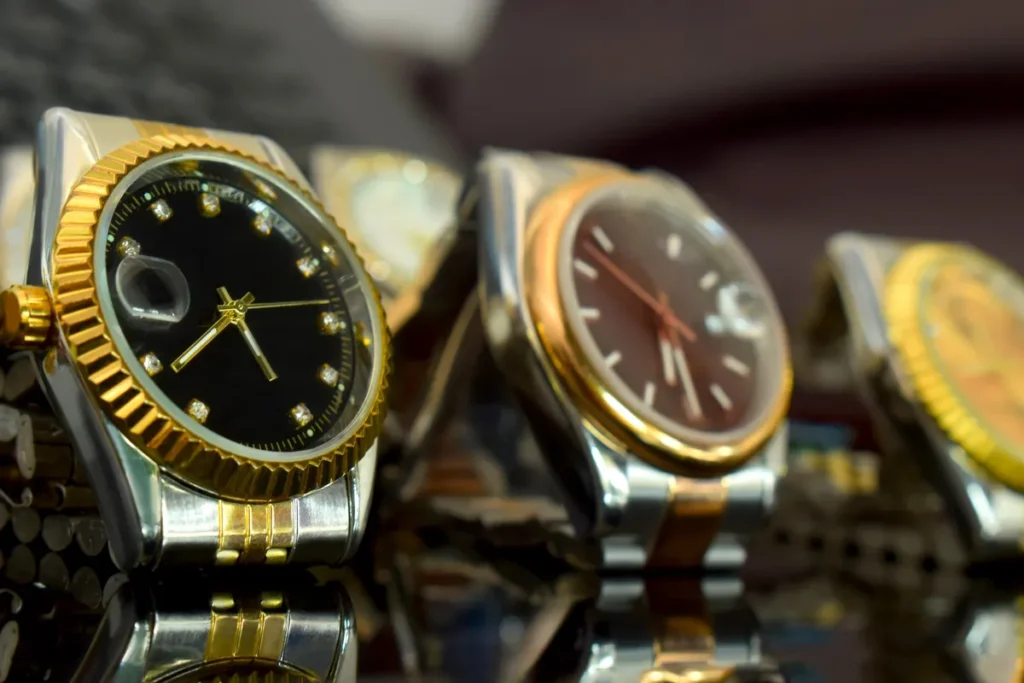
Most people decide to sell watches in NYC on impulse, a drawer gets cleaned out, a divorce happens, money gets tight, and they walk into the first place they find without doing any homework. That’s usually where the regret starts. The difference between a seller who walks away satisfied and one who feels shortchanged almost always comes down to a handful of things they either did or didn’t think about beforehand. This checklist won’t make you an expert overnight, but it will make sure nobody takes advantage of you.
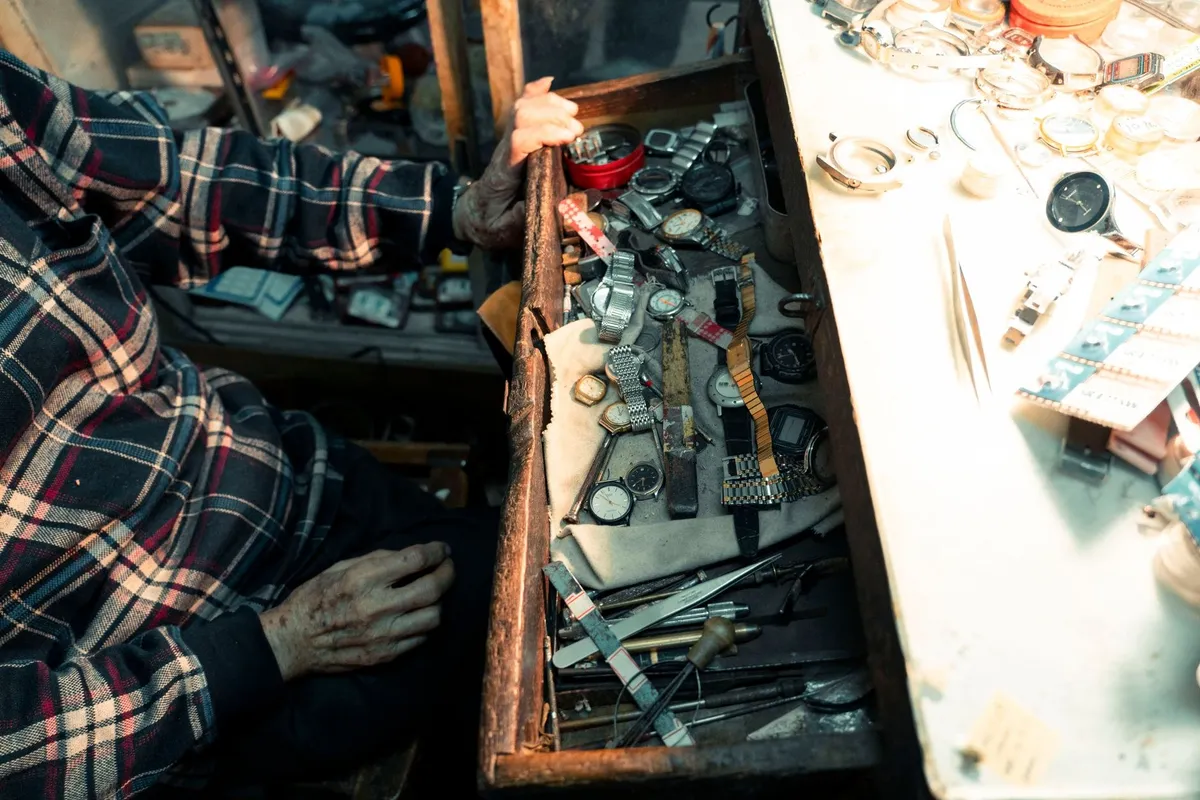
Do You Actually Know What You’re Holding?
This sounds obvious, but it’s the step most people skip entirely. Before you talk to anyone about price, you need a basic understanding of what your watch is, the brand, the reference number, the movement type, and roughly what era it came from. A Rolex Submariner from the 1970s and one from 2015 are both Submariners, but they live in completely different markets with very different buyer pools.
Flip the watch over. Look for engravings, serial numbers, and reference numbers. Write them down. Search them. Spend twenty minutes on a forum or a reputable auction archive before you step foot anywhere. You don’t need to become an authority, you just need enough information to have an intelligent conversation and recognize when someone’s lowballing you.
If you’re dealing with a vintage piece, this step matters even more. The details that seem minor, original dial, unpolished case, correct hands, can swing value dramatically. There’s a solid breakdown of how to evaluate the worth of vintage timepieces that’s worth reading before you commit to anything.
Condition Is Everything, and You Might Be Underestimating It
Sellers tend to fall into one of two camps: they either think their watch is in better shape than it is, or they assume a few scratches mean it’s worthless. Both assumptions cost money.
Condition affects value in ways that aren’t always intuitive. A watch that’s been polished by an amateur, even if it looks shiny and clean, can actually be worth less than one with honest wear and an original brushed finish. Collectors pay for authenticity, not cosmetic perfection. On the flip side, a watch that runs well, has its original bracelet, and comes with the box and papers is worth meaningfully more than the same model without any of that.
Before you meet with a buyer, take a close, honest look at what you have. Is the crystal cracked or just scratched? Does it keep time accurately? Is the bracelet stretched? Are there any aftermarket parts? Knowing the answers puts you in a much stronger position during any negotiation. If you want a deeper breakdown of how physical condition translates to dollars in this market, this guide on how condition affects value in the NYC market covers it thoroughly.
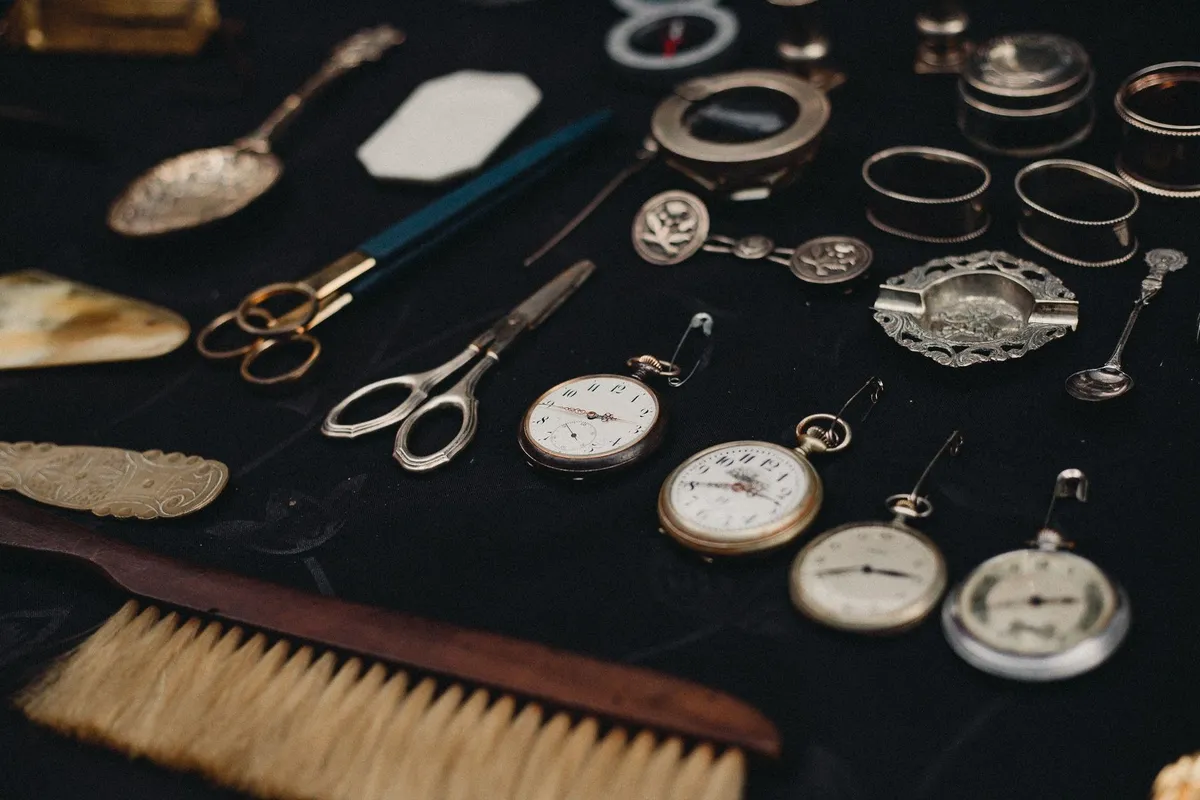
The Paperwork You Forgot About Actually Matters
Box and papers. It’s a phrase you’ll hear constantly in this industry, and for good reason. Original documentation, the warranty card, the instruction booklet, the purchase receipt, even the hang tags, adds real, measurable value to a sale. For certain brands and references, the difference between having papers and not having them can be thousands of dollars.
Before you assume yours are long gone, check everywhere. Old filing cabinets, the original packaging stuffed in a closet, a safe deposit box, a parent’s house. People find this stuff in surprising places. Even partial documentation helps. A warranty card without the box is still worth more than nothing.
Service records matter too. If the watch has been serviced by an authorized dealer or a reputable independent watchmaker, those receipts tell a buyer that the movement has been cared for. It signals that you’re a serious owner, not someone who’s been neglecting the piece for thirty years and hoping nobody notices.
Who You Sell To Is Just as Important as What You’re Selling
This is where a lot of sellers make their biggest mistake. They assume all buyers are roughly the same, or they go with whoever responds fastest to a Craigslist post. The buyer you choose has a direct impact on the offer you receive.
Pawn shops and general jewelry stores are rarely the right venue for a quality timepiece. They don’t have the expertise to accurately value what they’re looking at, and they price accordingly, low, with wide margins built in to cover their uncertainty. A specialist who buys watches every day, knows the current secondary market, and has a genuine network of collectors is going to make you a more competitive offer.
NYC Watch Buyers operates with that kind of focused expertise, working directly with sellers across the city and offering straightforward, no-pressure evaluations. Sellers who’ve gone through the process consistently mention how different it feels to work with someone who actually knows the product, no vague estimates, no waiting weeks for an answer.
It’s also worth thinking about the format of the sale. Selling directly to a buyer is faster and more private than consignment or auction. You get paid immediately, there are no seller fees eating into your return, and there’s no waiting to find out what the market will bear on a given day. For most people selling a single watch or a small collection, a direct sale to a reputable local buyer is the cleanest option available.
Go in informed, know what you have, and choose your buyer carefully. That’s really the whole checklist. Everything else is just details.
Frequently Asked Questions
How do I find the reference number on my watch before meeting with a buyer in NYC?
Flip the watch over and look for engravings on the case back, between the lugs, or on the caseback edge, that’s where most manufacturers stamp the reference and serial numbers. Write them down exactly as they appear, then run them through a reputable auction archive or collector forum before any conversation about price. Twenty minutes of that research is usually enough to know whether you’re holding something significant or something ordinary.
Does getting my watch polished before selling it actually help, or could it hurt the price?
It can genuinely hurt the price, especially on collectible or vintage pieces. Collectors pay for original finishes, an unpolished case with honest wear often sells for more than one that’s been buffed to look new, because polishing removes metal and erases the factory brushing that authenticates the piece. Unless a specialist specifically advises it, leave the case alone.
I lost the box years ago but still have the warranty card, is that worth anything when I go to sell?
Yes, partial documentation still adds real value. A warranty card without the box is worth more than nothing, and for certain brands and references the difference between having papers and not having them can run into thousands of dollars. Check old filing cabinets, closets, and safe deposit boxes before you assume everything is gone, people find this material in surprising places.
Why would a pawn shop or general jewelry store offer less than a watch specialist for the same piece?
Pawn shops and general jewelry stores don’t have the expertise to accurately value a quality timepiece, so they build wide margins into their offers to cover that uncertainty. A buyer who specializes in watches, follows the secondary market daily, and has a direct network of collectors doesn’t need that same cushion, which is why their offers tend to be more competitive. The buyer you choose has a direct impact on the number you walk away with.
Is there any real advantage to selling directly to a local buyer instead of going through consignment or auction?
With a direct sale you get paid immediately, there are no seller fees cutting into your return, and you’re not waiting to find out what the market happens to bear on a specific auction day. Consignment and auction can make sense for rare pieces with a narrow collector base, but for most people selling one watch or a small collection, the speed and simplicity of a direct sale outweigh the potential upside of waiting. It’s also a more private transaction, which matters to some sellers.
Pingback: Sell Rolex in NYC: Surprising Facts to Know