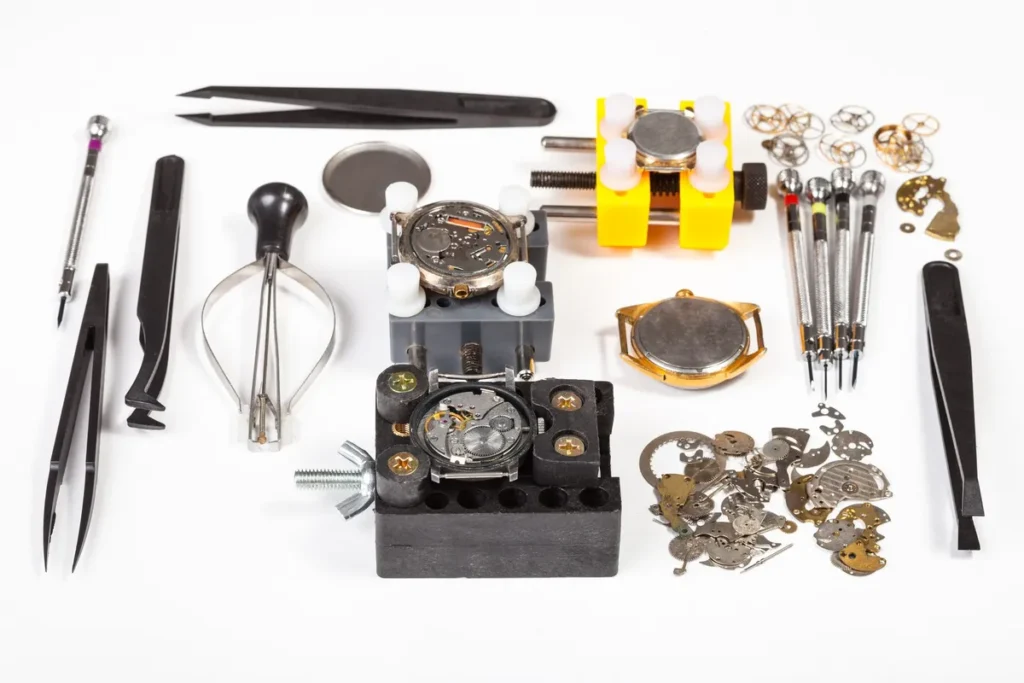
Most people who decide to sell watches NYC don’t realize how much control they have over the final offer they receive. The difference between a mediocre payout and a genuinely strong one often comes down to a handful of decisions made before you even walk through the door. Some of them cost nothing. Others take about ten minutes. And a few require a bit of research, but the payoff is absolutely worth it.
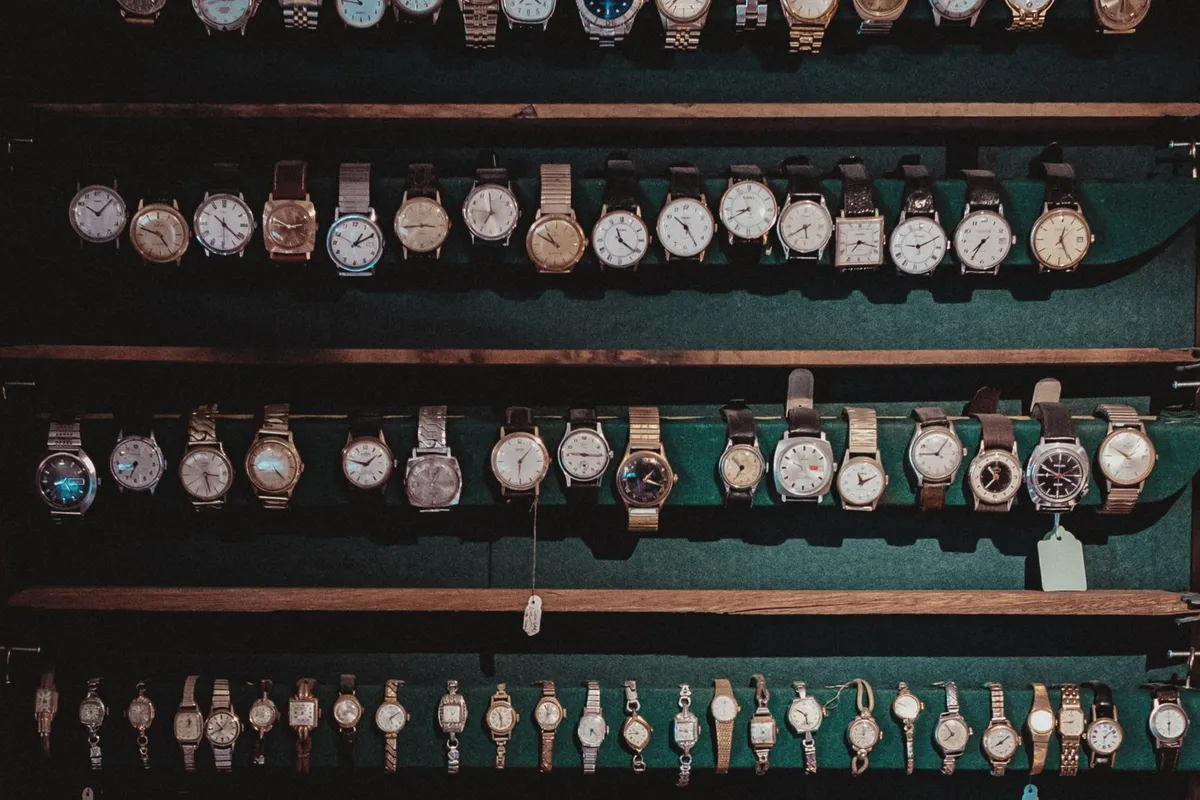
First Impressions Matter More Than You Think
Buyers are human. When a watch arrives in their hands looking neglected, smudged crystal, a bracelet caked with grime, no box in sight, their instinct is to mentally discount it before they’ve even looked at the movement. That’s not unfair. It’s just how perception works.
You don’t need to send your watch out for a full service before selling. In fact, that’s often a mistake, professional servicing costs money and rarely adds dollar-for-dollar value to a private sale. What you should do is clean the exterior carefully. A soft microfiber cloth, a little warm water for the bracelet if it’s metal and water-resistant, and some attention to the case edges goes a long way. Present the watch as something that was cared for, because that’s exactly what buyers are paying a premium for.
If you have the original box and papers, find them. Seriously, dig through the closet, check the safe, ask whoever might have stored them. Original documentation can meaningfully increase what a buyer is willing to offer, particularly on luxury references from Rolex, Patek Philippe, or Audemars Piguet. A complete set isn’t just a nice-to-have. For certain models, it’s the difference between a good offer and a great one.
Know What You Have Before Anyone Else Tells You
Walking into a sale without doing any research is one of the most common ways people leave money on the table. You don’t need to become an expert overnight, but spending an hour understanding your watch’s reference number, production year, and current market comparables puts you in a completely different position during any negotiation.
Reference numbers are usually found on the case back or between the lugs at the 12 o’clock position. Once you have that number, a quick search on Chrono24 or WatchCharts will show you what similar pieces are actually selling for right now, not what they sold for three years ago. Markets move. Some references that were lukewarm in 2020 are commanding serious premiums today. Others that peaked during the pandemic frenzy have softened considerably.
Understanding how condition affects value in the NYC market is equally important. A watch with sharp, unpolished lugs is worth more than the same reference that’s been buffed smooth by an overzealous jeweler. Originality matters, dials, hands, and bezels that are untouched will always outperform modified or refinished versions with serious collectors and buyers alike.
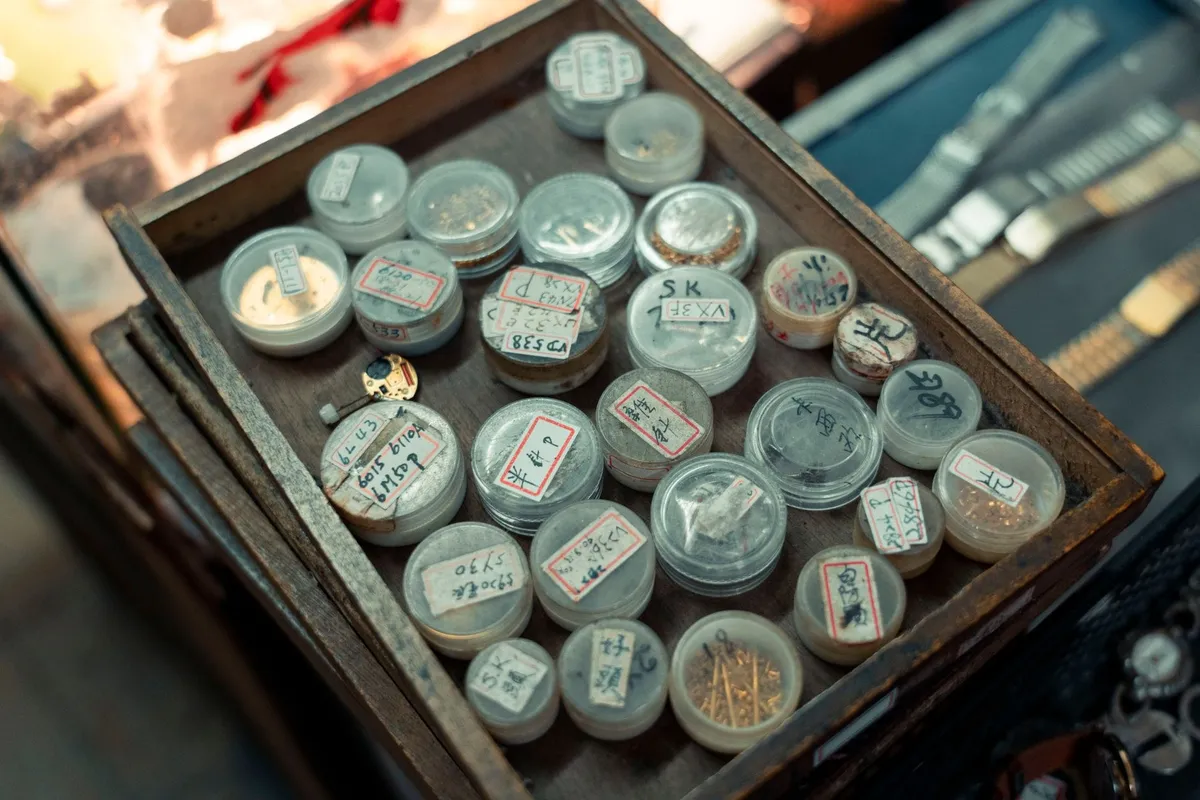
Timing Your Sale Can Change the Numbers
There’s a rhythm to the watch market that most casual sellers never notice. Certain times of year see stronger buyer activity, more competition among buyers, and better offers as a result. The period leading into the holidays, for instance, tends to see increased demand for luxury timepieces as gifts. Early spring, when bonuses hit and people are feeling financially optimistic, is another strong window.
Beyond seasonality, broader market conditions matter. Interest in specific brands and references rises and falls based on press coverage, auction results, and cultural moments. A reference that appears on the wrist of a prominent figure or sells for a record price at Christie’s can spike in value almost overnight. Staying loosely aware of these shifts, even just following a watch news site casually, can help you choose the right moment to sell rather than the most convenient one.
If you want a deeper look at how to read these patterns, this guide to timing and trends in the NYC watch market breaks it down in practical terms.
Choose Where You Sell as Carefully as You Choose When
Not all buyers are equal, and not all selling venues are either. Auction houses take significant commissions. Online platforms introduce fraud risk and shipping anxiety. Private buyers can be slow, unreliable, or simply uninformed about what they’re looking at.
Working with an established local buyer, one with real experience across multiple brands and decades of market knowledge, removes most of that friction. The team at NYC Watch Buyers has built a reputation in this city precisely because the process is transparent and the offers reflect actual market value, not lowball estimates designed to leave room for a quick flip. People who’ve been through the process consistently mention how straightforward it felt compared to their expectations, no pressure, no games, just a fair assessment and a real number.
Before you commit to any buyer, understand what you’re agreeing to. Read the terms, ask about the evaluation process, and don’t feel obligated to accept the first offer you receive. A buyer who’s confident in their pricing won’t pressure you to decide on the spot. One who does should raise a flag.
Selling a watch well isn’t complicated, but it does require a little preparation. Clean it up, gather the documentation, understand what you have, and pick the right moment and the right buyer. Do those things and you’ll walk away with a result that reflects what your timepiece is actually worth.
Frequently Asked Questions
Should I get my watch professionally serviced before bringing it in to a buyer in NYC?
No, the article is clear that professional servicing before a sale is usually a mistake because it costs real money and rarely adds back dollar-for-dollar value. What actually moves the needle is a careful exterior cleaning with a microfiber cloth and warm water on a metal bracelet, which costs nothing and takes about ten minutes. Save the servicing budget; it won’t be reflected in the offer the way you’d hope.
How much does having the original box and papers actually affect what a buyer will pay?
For everyday watches the difference is modest, but on luxury references from Rolex, Patek Philippe, or Audemars Piguet, original documentation can push an offer from good to genuinely strong. The article describes it as the difference between a good offer and a great one on certain models, so it’s worth digging through closets or checking the safe before you assume they’re gone. Even asking a family member who may have stored them is worth the five-minute phone call.
Where do I find my watch’s reference number, and why does it matter before meeting a buyer?
The reference number is typically on the case back or between the lugs at the 12 o’clock position, you may need to remove the bracelet or look carefully with decent light. Once you have it, running a quick search on Chrono24 or WatchCharts shows you what comparable pieces are actually selling for right now, not years ago when the market looked different. Walking in with that number and a sense of current pricing puts you in a much stronger position during any back-and-forth on the offer.
Does it matter whether my watch has been polished or had its dial refinished?
Yes, and it matters more than most people expect, sharp, unpolished lugs are worth more than the same reference that’s been buffed smooth, because originality is something serious collectors and buyers actively pay a premium for. Dials, hands, and bezels that are untouched will consistently outperform modified or refinished versions. If your watch hasn’t been polished, that’s actually a selling point worth mentioning when you bring it in.
Is there a better time of year to bring a watch to a buyer in NYC?
The article points to two windows that tend to produce stronger offers: the period leading into the holidays, when demand for luxury timepieces picks up, and early spring, when bonuses arrive and buyer activity increases. Beyond seasonality, a specific reference can spike almost overnight if it appears at a high-profile auction or on the wrist of a prominent public figure. Casually following a watch news site takes minimal effort and can help you choose the right moment rather than just the most convenient one.