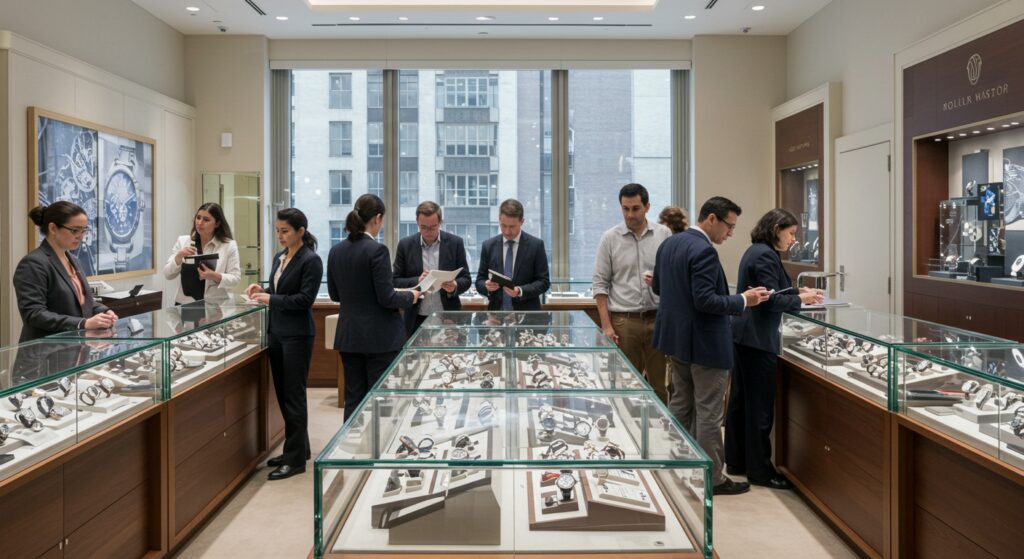
There’s a moment most people experience right before they sell a watch — a mix of excitement and uncertainty. You know the piece has value, but you’re not sure how much, who to trust, or whether you’re about to leave money on the table. If you’ve been searching for reputable watch buyers NYC has to offer, the good news is that this city has some of the most knowledgeable dealers in the country. The not-so-good news? A lot of sellers walk in completely unprepared, and that gap in knowledge almost always costs them.
Here’s what experienced dealers wish every seller understood before they walked through the door.
Your Watch Is Worth More Than the Metal Inside It
One of the biggest misconceptions sellers carry in is that a watch’s value is tied primarily to its weight or the precious metals used to make it. That thinking might apply to a gold chain or a loose gemstone, but watches operate on an entirely different set of rules.
Brand prestige, model rarity, production year, and — critically — condition all play a much larger role in determining what a timepiece will fetch on the secondary market. A stainless steel Rolex Submariner in excellent condition will outperform a heavy gold fashion watch from a lesser-known brand almost every time. The movement inside, the dial’s originality, even the font on the bezel can shift value significantly.
Sellers who understand this tend to come in with realistic expectations and, more often than not, walk out more satisfied. Those who don’t sometimes feel blindsided when a watch they assumed was valuable based on its weight gets a lower offer than expected — or vice versa, when a piece they underestimated turns out to be worth considerably more.
If you want a deeper look at how dealers think about value, this breakdown of what experts look for in a timepiece is worth reading before your appointment.
Documentation Is Money — Literally
This one surprises people. The original box, papers, warranty card, and purchase receipt that came with your watch aren’t just sentimental extras — they’re negotiating tools. A complete set of documentation can add anywhere from 10 to 30 percent to the value of a high-end timepiece, depending on the brand and model.
Dealers see this constantly. Someone brings in a beautiful Patek Philippe or an Audemars Piguet in near-mint condition, but the box is gone, the papers were lost in a move, and there’s no service history. The watch is still valuable — but not as valuable as it could have been. Collectors and resellers on the secondary market pay a premium for completeness, and that premium gets passed along to you when everything is in order.
Before you sell, do a thorough search. Check old storage boxes, safe deposit boxes, the back of closet shelves. You’d be amazed how often the original paperwork turns up when someone actually looks. And if the watch has been serviced, gather those receipts too. A documented service history from an authorized dealer adds credibility and value.
The First Offer You Get Isn’t Always the Right One
New York is a competitive market, and that works in a seller’s favor — if they use it wisely. Too many people accept the first offer they receive simply because they didn’t know they could do better, or because the process felt uncomfortable and they just wanted it to be over.
Getting two or three appraisals from established buyers is not rude, it’s smart. Any reputable dealer will tell you the same thing. The spread between offers on a luxury timepiece can be surprisingly wide, sometimes thousands of dollars apart, depending on the buyer’s current inventory needs, their client base, and how well they know that particular brand.
What separates a trustworthy buyer from a predatory one is transparency. A good dealer will explain how they arrived at their number — what comparables they’re looking at, what the current resale market looks like for that reference, and what factors are working for or against the piece. Sellers who’ve worked with established shops in NYC often mention that the conversation itself was educational, not just transactional. That kind of experience matters, especially when you’re selling something that holds personal significance.
You can read more about how these relationships play out in real transactions in this collection of firsthand accounts from people who’ve been through the process.
Condition Matters, But Don’t Over-Polish Before You Sell
This is counterintuitive, but it’s one of the most important things a seller can know. The instinct before selling anything is to clean it up, make it look its best. With watches, that instinct can backfire badly.
Taking a vintage or collectible watch to a jeweler for a quick polish before selling it can actually reduce its value. Original brushed finishes, patina on the dial, and even minor surface marks are part of what collectors call “honest wear” — evidence that a watch is genuinely old and unaltered. An over-polished case loses the crisp edges and original surface texture that purists prize. In some cases, a heavy polish can take thousands of dollars off the value of a vintage piece.
A light wipe-down with a soft cloth to remove dust is fine. Beyond that, let the professionals assess it as-is. If any cleaning or restoration is warranted, a reputable buyer or watchmaker will tell you — and they’ll do it properly, with an understanding of what should and shouldn’t be touched.
At NYC Watch Buyers, the team has spent years working with sellers across every experience level, from first-timers clearing out an estate to seasoned collectors looking to move a specific reference. The approach is always the same: honest evaluation, clear communication, and a fair offer based on real market knowledge. That consistency is what keeps people coming back — and what makes the difference between a transaction you feel good about and one you second-guess for years.
Frequently Asked Questions About Watch Buyers
How do I know if a watch buyer in NYC is giving me a fair price?
To ensure you’re getting a fair price, it’s a good idea to get quotes from at least two or three reputable watch buyers in NYC before committing to a sale. You can also research your watch’s current market value on platforms like Chrono24 or WatchBox to have a baseline number going into your appointment. Reputable buyers in areas like the Diamond District on 47th Street will typically provide a written offer and explain how they arrived at their valuation.
What types of watches do NYC buyers typically purchase?
Most established watch buyers in New York City purchase a wide range of timepieces, including luxury brands like Rolex, Patek Philippe, Audemars Piguet, Omega, and Cartier. Some buyers also accept vintage or antique watches, even if they are not in perfect working condition, as long as the brand and model hold collector value. It’s always best to call ahead and confirm whether a buyer specializes in the type of watch you’re looking to sell.
Do I need the original box and papers to sell my watch in NYC?
While having the original box, warranty card, and papers can significantly increase the value of your watch, most NYC buyers will still purchase a watch without them. A complete set, often referred to as “full set,” can add anywhere from 10% to 30% more to your offer depending on the brand and model. However, if you’ve lost your documentation, don’t be discouraged — bring any service records or receipts you do have, as these can still help support the watch’s history and authenticity.
Is it safe to sell my watch to a buyer in the NYC Diamond District?
The Diamond District on West 47th Street in Midtown Manhattan is home to many well-established and licensed watch and jewelry buyers with decades of experience. That said, it’s important to do your due diligence by checking Google reviews, the Better Business Bureau, and asking for credentials before handing over your timepiece. Always conduct transactions in a well-lit, public storefront setting and never agree to meet a buyer in a private or off-site location.
How long does the watch selling process take at a NYC buyer?
In most cases, selling your watch to a buyer in NYC is a relatively quick process that can be completed in as little as 15 to 30 minutes if the buyer is familiar with your watch’s brand and model. The buyer will inspect the watch for authenticity, condition, and functionality before presenting you with an offer, which you are free to accept or decline on the spot. If you accept, payment is typically made immediately in cash or via bank transfer, depending on the buyer’s policies and the value of the watch.