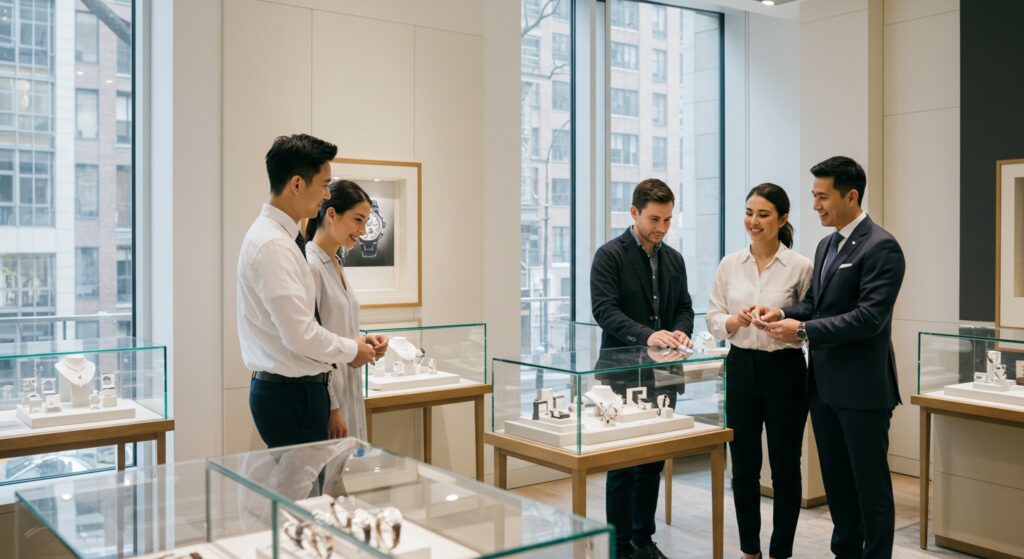
Every week, people walk into appointments with watch buyers NYC and leave with far less money than they expected — not because the market was bad, but because they made a few easily avoidable mistakes. Selling a luxury watch isn’t complicated, but there’s a right way and a wrong way to approach it. After years of seeing the same missteps play out, it’s worth laying out exactly what goes wrong and how to sidestep it.
Thinking Every Buyer Operates the Same Way
This is probably the most common misconception. People assume that any shop willing to buy a Rolex or Patek Philippe will offer roughly the same price. That couldn’t be further from the truth. Pawn shops, online resellers, auction houses, and dedicated timepiece dealers all have completely different cost structures, customer bases, and profit margins — and those differences show up directly in what they offer you.
A pawn shop needs to hedge against uncertainty, so they’ll low-ball the offer. An online platform takes a significant commission. An auction house might get you a strong price, but you’ll wait months and pay fees on both ends. A specialist dealer who moves watches daily has the tightest margins and the most accurate read on current market value. That’s a meaningful difference when you’re talking about a watch worth several thousand dollars.
The takeaway: shop around, but shop smart. Compare offers from buyers who actually specialize in timepieces, not just anyone with a “We Buy Watches” sign in the window.
Showing Up Without the Right Documentation
Original box, papers, service records — these aren’t just nice extras. They can meaningfully change what a buyer is willing to pay. A Rolex Submariner with full documentation can fetch noticeably more than the exact same reference without it, because the buyer can turn around and market it with confidence to their own clients.
Before you meet with anyone, dig through your drawers. Check wherever you keep important documents. Even a single service receipt from an authorized dealer adds credibility. If you’ve had the watch serviced recently, mention it and bring proof. Buyers factor condition and provenance into every offer, and documentation is the fastest way to demonstrate both.
One thing people overlook: even partial documentation helps. You don’t need a perfect set. A box without papers is still better than nothing. Don’t assume that because you’re missing one piece, the rest doesn’t matter.
Misjudging What the Market Actually Values Right Now
Watch values shift. A reference that was commanding a premium two years ago might have softened. A brand that seemed niche has suddenly become desirable. The secondary market for luxury timepieces moves with collector trends, brand releases, and broader economic conditions — and most sellers aren’t tracking any of that.
This is where doing a little homework pays off. Spend twenty minutes on Chrono24 or WatchCharts before any appointment. Look at what comparable references are actually selling for, not just what they’re listed at. There’s a difference. Then walk into the conversation with realistic expectations. Buyers respect sellers who understand the market — it usually leads to a more straightforward negotiation.
For a deeper look at what experienced dealers actually prioritize when evaluating a piece, this breakdown of how buyers assess timepiece value is genuinely useful reading before you go in.
Letting Urgency Work Against You
Needing cash quickly is understandable. Life happens. But urgency is something less scrupulous buyers will use against you if you let them. The moment you signal that you need to close a deal today, some buyers will adjust their offer accordingly.
Even if you are in a time crunch, try not to broadcast it. Go into the meeting calm, prepared, and willing to walk away. That posture — even if it’s partly a performance — tends to produce better outcomes. Buyers who are serious about acquiring quality pieces don’t want to lose a good watch over a few hundred dollars. That leverage works in your favor if you use it.
People who’ve worked with established dealers in the city often say the same thing afterward: they wish they hadn’t felt so rushed. The process is faster than most people expect when you’re working with a reputable shop, so there’s rarely a reason to accept the first number thrown at you without at least asking a few questions.
At NYC Watch Buyers, the approach is straightforward — experienced staff, transparent offers, and no pressure tactics. That kind of environment makes it easier to think clearly and make a decision you’ll feel good about. The business has built its reputation in New York on exactly that kind of honest transaction, which is why so many sellers come back when they have another piece to move.
If you want to understand more about how the local market operates and what sets New York dealers apart from the rest, this piece on common myths about what buyers actually want cuts through a lot of the noise that tends to confuse first-time sellers.
Selling a watch well isn’t about luck. It’s about preparation, realistic expectations, and choosing the right buyer. Get those three things right, and the rest tends to take care of itself.
Frequently Asked Questions About Watch Buyers
How do I know if a watch buyer in NYC is giving me a fair price for my timepiece?
The best way to ensure you’re getting a fair price is to get multiple appraisals from at least two or three reputable watch buyers in NYC before committing to a sale. Look for buyers who are members of professional organizations like the American Society of Jewelry Appraisers or have verifiable reviews on Google and Yelp from other New York customers. Researching your watch’s current market value on platforms like Chrono24 or WatchBox beforehand will also give you a solid baseline to compare against any offers you receive.
What documents or paperwork should I bring when selling my watch to a buyer in NYC?
Bringing the original box, warranty card, service records, and purchase receipt can significantly increase the value of your watch when selling to a NYC buyer, as these items authenticate the timepiece and its history. Even if you don’t have all the paperwork, most reputable watch buyers in New York will still make an offer, though the price may be slightly lower without full documentation. Having a photo ID is also typically required to complete any transaction legally in New York State.
Which NYC neighborhoods have the most reputable watch buyers I can visit in person?
The Diamond District along 47th Street in Midtown Manhattan is one of the most concentrated areas for reputable watch buyers in all of New York City, with dozens of established dealers operating side by side. You can also find well-regarded watch buyers in areas like the Upper East Side, SoHo, and the Flatiron District, where luxury resale shops and estate jewelry dealers frequently purchase high-end timepieces. Visiting in person allows you to ask questions, compare offers on the spot, and feel confident about the legitimacy of the buyer you’re working with.
Do NYC watch buyers purchase watches that are broken or in need of repair?
Yes, many watch buyers in New York City will still purchase timepieces that are broken, scratched, or in need of servicing, particularly if the brand is a luxury name like Rolex, Omega, or Patek Philippe. The offer you receive will typically reflect the cost of repairs needed, but selling as-is can still be worthwhile if you don’t want to invest in fixing the watch yourself. It’s always a good idea to disclose any known damage upfront, as reputable NYC buyers will inspect the watch thoroughly and transparency helps build trust during the transaction.
How long does the process of selling a watch to a buyer in NYC typically take?
For most straightforward transactions involving popular luxury brands, the entire process of getting an appraisal and completing a sale at a NYC watch buyer can take as little as 30 minutes to an hour if you visit in person with all your documentation. Some buyers may need additional time to authenticate rare or vintage pieces, which could extend the process to a day or two while they consult with specialists. Payment is typically made on the same day in cash or via check or bank transfer, depending on the buyer’s policies and the value of the watch being sold.
Pingback: Watch Buyers: Transforming Your Timepieces in NYC