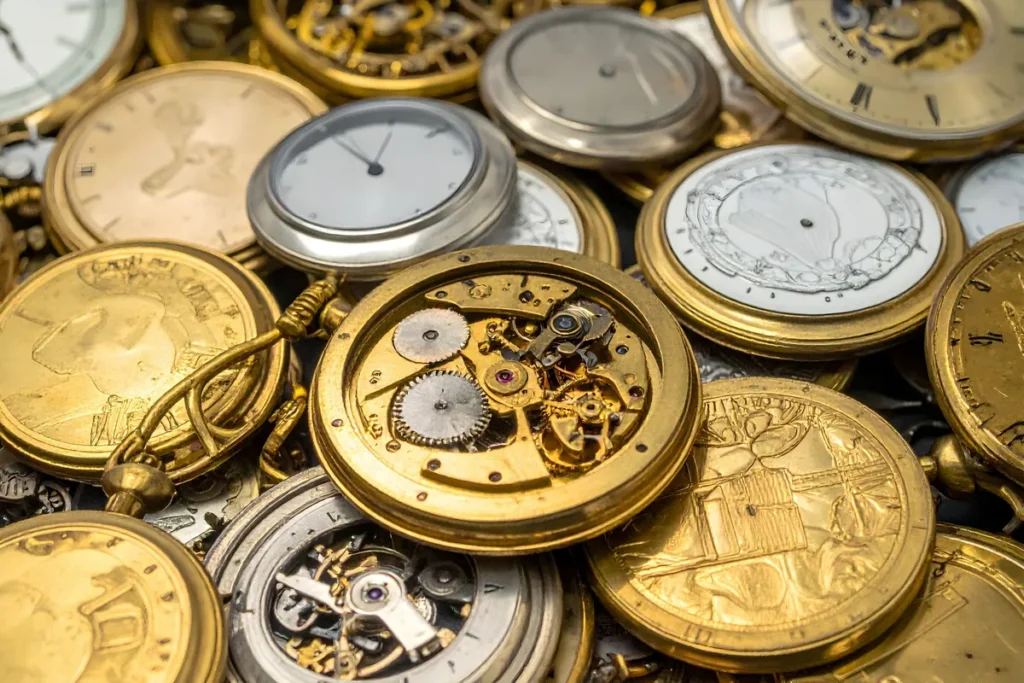
There’s a moment most people recognize, you’re going through a drawer, a safe, or an old jewelry box, and you pull out a watch that belonged to someone important to you. Maybe it’s a Rolex from the 1960s, a Cartier Tank your grandfather wore every day, or an Omega Seamaster that’s been sitting untouched for years. If you’re thinking about where to sell watches NYC has no shortage of options, but knowing what your vintage timepiece is actually worth before you walk into any buyer’s office? That changes everything.
Age Alone Won’t Pay Your Rent
One of the most persistent misconceptions people bring into a watch sale is the belief that old automatically means valuable. It doesn’t. A watch from 1958 can be worth $50 or $50,000 depending on a handful of very specific factors, and age is only one small piece of that equation.
What actually drives value in vintage timepieces comes down to four things: brand reputationmodel rarityconditionand provenance. A vintage Patek Philippe in excellent condition with its original box and papers is a completely different conversation than a no-name Swiss dress watch from the same era. Buyers who know what they’re doing, the kind with decades of experience handling estate collections, can spot the difference in about thirty seconds.
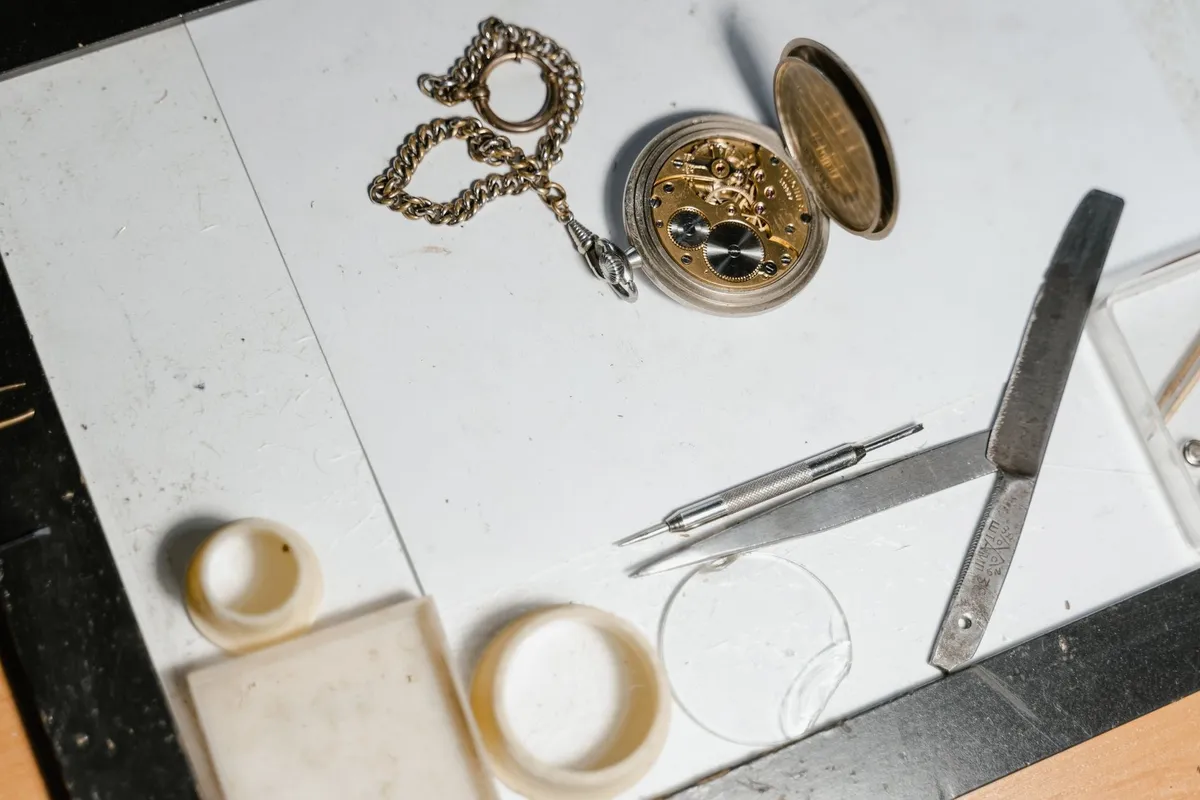
Condition is where most sellers get surprised. “Good condition” to a non-expert often means “it still runs.” To a serious watch buyer, it means original dial with no refinishing, untouched case with honest wear, correct hands, correct crown, and ideally a movement that hasn’t been over-serviced. Polishing a vintage watch case, for example, can actually reduce its value significantly. That’s the kind of detail worth knowing before you do anything to the piece.
The Paper Trail Matters More Than You Think
Documentation is one of those things sellers often dismiss until they realize how much money it represents. Original box, warranty cards, hang tags, service records, and purchase receipts, these aren’t just sentimental extras. They’re proof of authenticity, and in the vintage watch market, authenticity commands a premium.
A vintage Rolex Daytona with full documentation can fetch dramatically more than the same reference without papers. We’re sometimes talking a difference of 20 to 40 percent, depending on the model and the buyer. If you have paperwork tucked away somewhere, find it before you go anywhere. Dig through old filing cabinets. Check the original purchase envelope. It’s worth the effort.
If you don’t have documentation, that’s not a dealbreaker, most vintage watches change hands without original papers. But it does affect the conversation, and you should go in knowing that upfront rather than being caught off guard. For a deeper look at what surprises sellers most during this process, this breakdown of unexpected costs when selling watches is worth reading before your first appointment.
Why the Dial Is the Soul of the Watch
Experienced buyers will tell you that the dial is the single most important component when evaluating a vintage timepiece. Everything else can be sourced, replaced, or restored, but an original dial in honest condition is irreplaceable.
Certain dial variations have become legendary in collector circles. A “tropical” dial, one that has developed a rich brown or chocolate patina over decades, can add enormous value to an otherwise standard reference. “Gilt” dials from the 1950s and 60s, “matte” dials, “double Swiss” markings, these are the kinds of details that separate a $3,000 watch from a $30,000 one. Sellers who walk in without this knowledge are at a real disadvantage.
The movement inside matters too, but it’s often secondary to the dial. A watch with a replaced movement but a pristine original dial will typically hold more value than the reverse. That’s counterintuitive to most people, but it reflects how the collector market actually works.
At NYC Watch Buyersthe evaluation process takes all of these elements seriously. Clients who’ve worked with the team frequently mention feeling genuinely informed rather than rushed, walking away with a clear understanding of how their piece was assessed, not just a number handed to them at the door. That kind of transparency matters when you’re dealing with something that might be worth far more than you expected.
Getting a Real Number Before You Commit to Anything
The smartest move any vintage watch seller can make is getting multiple opinions before accepting an offer. This isn’t about distrust, it’s about understanding the market. Watch values fluctuate based on collector trends, auction results, and demand cycles. A reference that was considered mid-tier five years ago might be highly sought after today.
Do some basic research before your appointment. Check recent sold listings on major auction platforms for your specific reference number. Look at what similar pieces are trading for on reputable pre-owned watch platforms. Come in with a realistic range in mind, not a fixed number you read somewhere years ago.
Avoid the common mistake of accepting the first offer out of impatience or unfamiliarity with the process. If you’re unsure about what steps to take before your sale, these five essential steps to maximize your watch’s value lay it out clearly and practically.
Vintage watches carry history, craftsmanship, and, when evaluated properly, real financial worth. The sellers who get the best outcomes are the ones who show up prepared, understand what they have, and work with buyers who treat the process like a conversation rather than a transaction.
Frequently Asked Questions
How much can having the original box and papers actually affect what I get paid for my vintage Rolex in NYC?
According to buyers who handle estate collections regularly, full documentation, original box, warranty cards, purchase receipts, and service records, can push the offer 20 to 40 percent higher than the same reference without papers, depending on the specific model. That gap is significant enough that it’s worth digging through old filing cabinets or storage before you book any appointment. If you genuinely don’t have the paperwork, that’s not a dealbreaker, but go in knowing it will affect the conversation.
I had my grandfather’s watch case polished before bringing it in, did that hurt the value?
Yes, unfortunately it likely did. Serious buyers look for original, untouched cases with honest wear, and polishing removes the sharp edges and patina that collectors specifically look for in vintage pieces. This is one of the most common ways sellers unknowingly reduce what their watch is worth before they ever walk through the door.
Why do buyers focus so much on the dial when evaluating a vintage watch?
The dial is considered the single most important component because everything else, the case, crown, hands, even the movement, can be sourced or replaced, but an original dial in honest condition cannot be replicated. Specific dial variations like “tropical” dials with a brown or chocolate patina, or “gilt” dials from the 1950s and 60s, can be the difference between a $3,000 watch and a $30,000 one. A watch with a replaced movement but a pristine original dial will typically hold more value than the reverse.
Should I check auction prices online before coming in to get my watch evaluated in NYC?
Yes, looking at recent sold listings on major auction platforms for your specific reference number gives you a realistic range going in, rather than relying on a figure you read somewhere years ago. Watch values shift based on collector trends and demand cycles, so a reference that was considered mid-tier five years ago might be trading significantly higher today. Come in with a range in mind, not a fixed number, and be open to hearing how current market conditions affect your specific piece.
Is it worth getting more than one offer before I commit to a sale, or does that seem like I’m wasting buyers’ time?
Getting multiple opinions is genuinely the smartest move you can make, and any experienced buyer will understand it, it’s standard practice, not an insult. The market fluctuates, and two buyers can legitimately arrive at different numbers based on their current inventory needs and what they know about collector demand for your specific reference. Accepting the first offer out of impatience is one of the most common ways people leave real money on the table.